

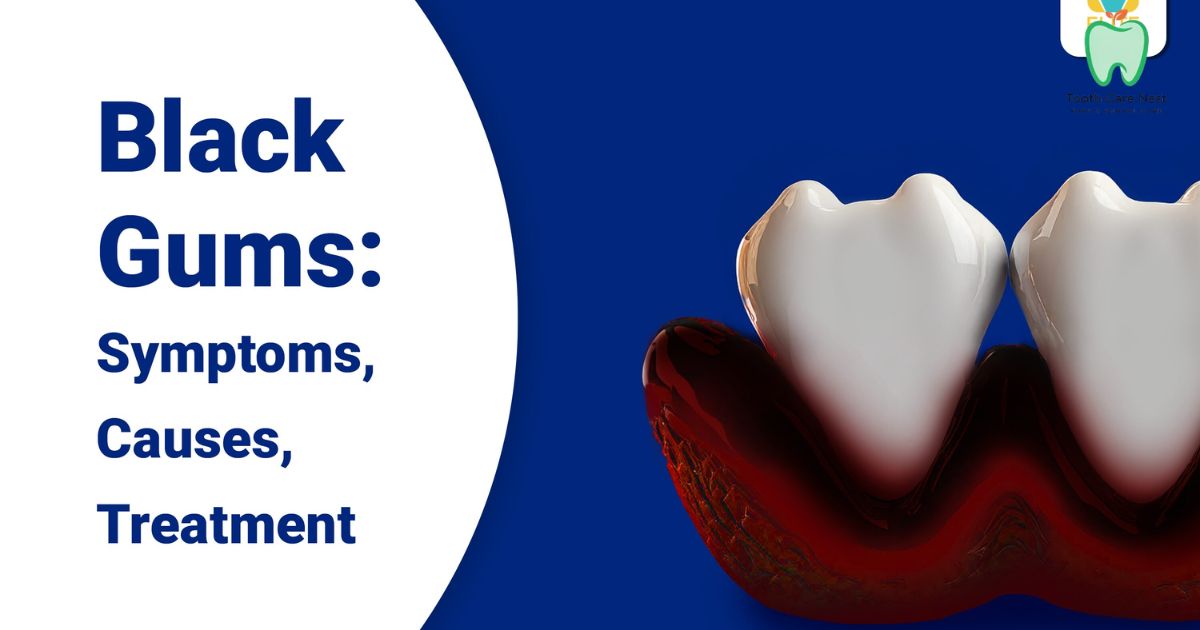
Black gums can develop for many reasons, ranging from natural pigmentation and genetics to smoking, certain medications, gum disease, or other oral health conditions. While darker gums are not always a sign of a problem, a new or sudden change in gum color may deserve attention, especially when it occurs with swelling, bleeding, pain, bad breath, or sores. Understanding the possible causes of black gums, available treatment options, and simple prevention steps can help you protect your gum health and know when it is time to see a dentist.
You can also read:Can Yellow Teeth Become White Again? Proven Ways That Work
Black gums do not always mean that something is wrong with your oral health. For some people, darker gums are completely natural and are caused by melanin, the pigment that gives color to the skin, hair, and other parts of the body. Natural gum pigmentation can range from light brown to dark brown or nearly black and may be more noticeable in people with naturally darker skin tones. This type of pigmentation is usually even on both sides and remains relatively stable over time.
However, a change in gum color can sometimes be linked to an underlying condition or lifestyle habit. Smoking and tobacco use, certain medications, gum disease, irritation, and previous injuries can contribute to darker areas on the gums. In some cases, black or dark patches may appear after inflammation or as a result of increased melanin production. The appearance alone cannot always identify the exact cause, so other symptoms and changes in the mouth are important to consider.
If your gums have suddenly become black, developed an unusual dark spot, or changed along with bleeding, swelling, pain, sores, bad breath, or loose teeth, it is a good idea to have them checked by a dentist. Most causes are manageable once identified, but persistent or unexplained pigmentation should not be ignored. A dental professional can examine your gums, review possible triggers, and recommend appropriate treatment if necessary.
What Causes Black Gums? 8 Primary Factors
1. Natural Melanin Pigmentation
Some people naturally have darker gums because of higher levels of melanin, the pigment responsible for skin and gum color. This pigmentation may appear brown, dark brown, or black and is usually harmless. Natural pigmentation is often evenly distributed and remains relatively consistent over time.
2. Smoking and Tobacco Use
Smoking and tobacco products can cause the gums to become darker due to increased melanin production, a condition sometimes called smoker’s melanosis. The discoloration may gradually develop and become more noticeable with continued tobacco use. Quitting smoking can help prevent further pigmentation and also reduces the risk of gum disease and other oral health problems.
3. Amalgam Tattoos
An amalgam tattoo is a harmless dark gray, blue, or black spot that can develop when tiny particles from dental amalgam become embedded in the gum tissue. It may occur near a tooth that has or previously had an amalgam filling. These marks generally do not cause pain or other symptoms and often do not require treatment unless the diagnosis is uncertain.
4. Gum Disease and Infections
Advanced gum disease or certain oral infections can sometimes cause changes in gum color, particularly when inflammation or tissue damage is present. Black or dark areas accompanied by swelling, bleeding, pain, bad breath, or tissue breakdown should be evaluated by a dentist. Prompt treatment can help prevent the condition from becoming more serious.
5. Medications and Medical Conditions
Certain medications and medical conditions can contribute to changes in gum pigmentation. Some drugs may increase melanin production or cause discoloration as a side effect, while certain systemic conditions can also affect the appearance of oral tissues. If darkening begins after starting a new medication or occurs alongside other unexplained symptoms, discuss it with a healthcare or dental professional.
6. Dental Trauma and Bruising
An injury to the gums can cause bleeding beneath the tissue, resulting in a temporary dark purple, blue, brown, or black appearance. This can happen after an accident, dental procedure, biting the gums, or other physical trauma. As the area heals, the discoloration typically fades, but persistent or worsening changes should be examined.
7. Hormonal Changes
Hormonal fluctuations can affect melanin production and may make existing gum pigmentation more noticeable. Changes associated with pregnancy, puberty, or other hormonal shifts can sometimes lead to darker areas of the gums. This pigmentation is often harmless, although sudden or unusual changes should still be discussed with a dentist.
8. Poor Oral Hygiene
Poor oral hygiene allows plaque and bacteria to build up around the teeth and gums, increasing the risk of inflammation and gum disease. Although inadequate brushing does not usually turn healthy gums black by itself, severe inflammation, infection, or damaged gum tissue can cause noticeable color changes. Regular brushing, flossing, and professional dental cleanings can help maintain healthy gums.
Treatment for Black Gums
Laser Gum Depigmentation
Laser gum depigmentation is a cosmetic procedure that removes areas of excess gum pigmentation using a dental laser. The dentist carefully treats the darker surface tissue, allowing lighter-colored gum tissue to appear as the area heals. It is generally used when dark gums are caused by natural pigmentation or certain forms of melanin buildup rather than an underlying disease. Results can vary, and pigmentation may gradually return in some people.
Gum Grafting
Gum grafting involves taking a small amount of tissue, usually from another area of the mouth, and placing it over exposed or damaged gum tissue. It is primarily used to treat gum recession rather than pigmentation, but it may sometimes be considered when healthy tissue needs to be restored around a tooth. A dentist or periodontist can determine whether grafting is appropriate based on the cause and condition of the gums.
Chemical Peels
Chemical peeling uses a carefully selected chemical agent to remove the superficial pigmented layer of gum tissue. As the treated area heals, lighter tissue may become visible. Because the gums are delicate, this procedure should only be performed by a qualified dental professional with experience in oral soft-tissue treatments. Multiple treatments may sometimes be needed, and pigmentation can return.
Medical Treatment
Medical treatment depends entirely on what is causing the gum discoloration. If black gums are related to gum disease, infection, medication, tobacco use, or another medical condition, treating the underlying cause is more important than simply removing the pigmentation. A dentist may recommend professional cleaning, improved oral hygiene, medication, tobacco cessation, or referral to a physician when appropriate.
Prevention: How to Maintain Healthy Gum Color
Essential Oral Hygiene Practices
Good oral hygiene can help keep your gums healthy and reduce the risk of inflammation, infection, and discoloration. Brush your teeth twice a day with a soft-bristled toothbrush and fluoride toothpaste, clean between your teeth daily with floss or interdental brushes, and gently clean your tongue. Avoid brushing too aggressively, as excessive pressure can irritate or damage the gums.
Lifestyle Modifications
Healthy lifestyle choices can support normal gum appearance and overall oral health. Avoid smoking and tobacco products, which can contribute to gum pigmentation and increase the risk of gum disease. Eating a balanced diet, drinking enough water, limiting excessive sugary foods and drinks, and avoiding habits that injure the gums can also help maintain healthy oral tissues.
Regular Dental Care
Regular dental checkups allow a dentist to monitor your gums and identify discoloration, inflammation, or other changes early. Professional cleanings can remove plaque and tartar that cannot be eliminated through brushing alone. If you notice a new black spot, sudden color change, bleeding, swelling, pain, or another unusual gum symptom, schedule a dental examination rather than trying to treat the discoloration yourself.
When to See a Dentist: Warning Signs
You should see a dentist if your gums suddenly become black or develop a new dark patch that does not go away. It is especially important to seek professional advice if the discoloration is accompanied by swelling, bleeding, pain, tenderness, persistent bad breath, pus, sores, or gum recession. These symptoms may indicate gum disease, infection, injury, or another condition that needs treatment.
A dental examination is also recommended when a dark spot grows, changes shape or color, appears only in one area, or develops without an obvious cause. While many cases of dark gums are harmless natural pigmentation, unexplained or changing pigmentation should be evaluated rather than diagnosed at home. Early assessment can help identify the cause and determine whether treatment or simple monitoring is appropriate.
Living with Black Gums: What to Expect
Natural Pigmentation
If black or dark gums are caused by natural melanin pigmentation, they are usually harmless and do not require treatment. Gum color can naturally range from pink to brown or dark brown, and pigmentation may vary from person to person. As long as the color remains stable and there are no symptoms such as pain, swelling, bleeding, or sores, natural dark gums can generally be considered a normal variation.
Treatment Recovery
Recovery from treatment for dark gums depends on the procedure and the underlying cause. After treatments such as laser depigmentation or other gum procedures, temporary sensitivity, swelling, redness, or changes in gum appearance may occur while the tissue heals. Following the dentist’s aftercare instructions, maintaining gentle oral hygiene, and attending follow-up appointments can support proper healing and help reduce complications.
Long-term Management
Long-term management focuses on keeping the gums healthy and monitoring any changes in color or texture. Regular brushing, daily cleaning between the teeth, avoiding tobacco, and routine dental visits can help protect gum health. If pigmentation returns after cosmetic treatment, a dentist can assess the reason and determine whether additional treatment is appropriate.
Maintaining Healthy Gums for Life
Keeping your gums healthy requires consistent daily care rather than occasional treatment. Brush twice a day with a soft-bristled toothbrush and fluoride toothpaste, and clean between your teeth every day to remove plaque from areas your toothbrush cannot reach. Gentle brushing is important because using too much pressure can irritate the gum tissue.
Your lifestyle also plays an important role in long-term gum health. Avoid smoking and tobacco products, limit excessive sugary foods and drinks, and choose a balanced diet that provides essential nutrients. Drinking plenty of water can also help maintain a healthy mouth and wash away food particles and bacteria.
Regular dental visits can help detect gum problems before they become more serious. Professional cleanings remove hardened plaque and tartar, while routine examinations allow your dentist to monitor changes in gum color, swelling, bleeding, recession, or other unusual symptoms. How often you need a dental visit depends on your individual oral health needs.
Finally, pay attention to changes in your gums and do not ignore persistent symptoms. Natural gum pigmentation can be completely normal, but a sudden change in color, a new dark patch, persistent bleeding, pain, swelling, or sores should be evaluated by a dental professional. Early attention can make many gum problems easier to manage and helps support healthy gums for years to come.
Frequently Asked Questions
Are black gums dangerous?
Black gums are not necessarily dangerous. Some people naturally have dark gum pigmentation because of melanin, while smoking, certain medications, trauma, gum disease, and other factors can also cause discoloration. If the color change is new, spreading, or accompanied by pain, bleeding, swelling, sores, or other unusual symptoms, a dentist should evaluate it.
Can smoking cause black gums?
Yes, smoking can contribute to darker gums by stimulating increased melanin production, a condition sometimes called smoker’s melanosis. The pigmentation may become more noticeable with continued tobacco use. Quitting smoking can help prevent further changes and also lowers the risk of gum disease and other oral health problems.
How can I treat black gums at home?
There is no reliable or safe home remedy that can permanently remove gum pigmentation. You can support healthy gums by brushing gently twice a day with fluoride toothpaste, cleaning between your teeth daily, avoiding tobacco, and maintaining regular dental care. Avoid using harsh chemicals, acids, or abrasive substances on your gums because they can cause irritation or tissue damage.
When should I worry about black spots on my gums?
You should have a black spot checked if it appears suddenly, changes in size, shape, or color, continues to grow, or has no obvious explanation. It is especially important to seek dental care when the spot is accompanied by pain, bleeding, swelling, sores, pus, or persistent irritation. A dentist can determine whether the spot is harmless pigmentation or requires further evaluation.
Can black gums be permanently cured?
Whether black gums can be permanently lightened depends on their cause. Natural pigmentation may be treated cosmetically with procedures such as laser gum depigmentation, but pigmentation can return in some people. If discoloration is caused by smoking, medication, inflammation, infection, or another condition, treating the underlying cause may improve the appearance. A dentist can recommend the most appropriate approach after identifying the reason for the pigmentation.

Stoke is the author of ToothCareNest, sharing simple, practical, and easy-to-understand information about dental care, oral hygiene, and maintaining a healthy smile.