
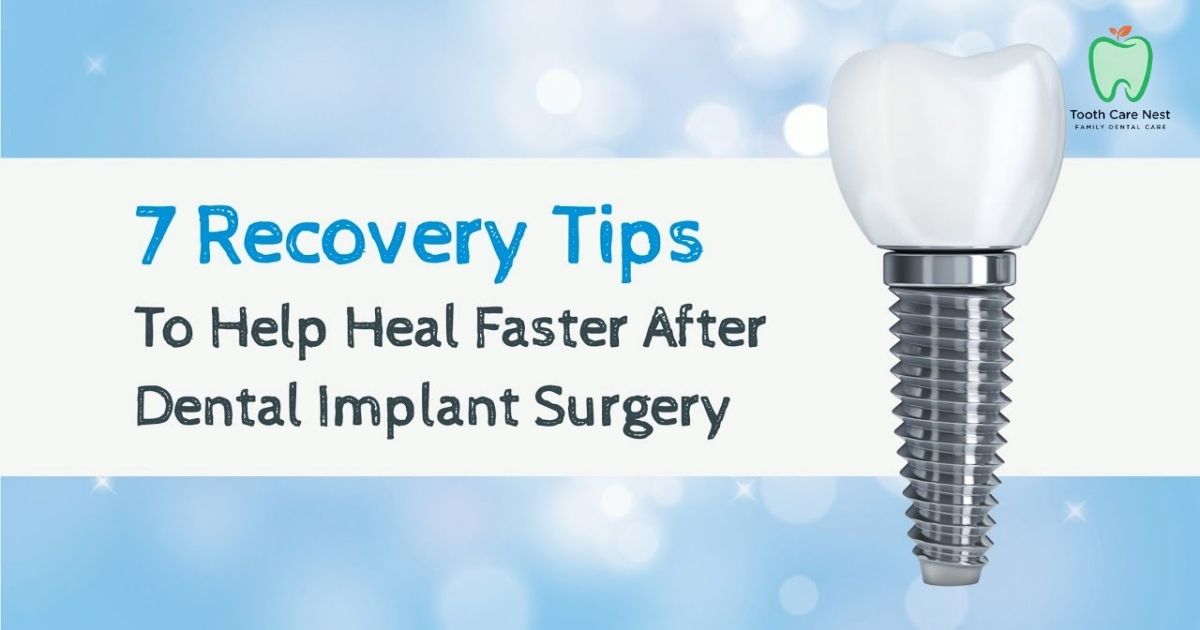
Recover from Dental Implant Surgery: Recovery from dental implant surgery in Somerville varies depending on the number of implants, the condition of the jawbone, and whether additional procedures such as bone grafting are required. Mild swelling, tenderness, and bruising are common during the first few days, while the gums typically begin settling as the initial healing progresses. Many patients can gradually return to normal daily activities within several days, depending on how they feel and their surgeon’s instructions.
The implant itself requires a longer healing period because the jawbone needs time to integrate with the implant post. This process can take several months before the implant is ready to support the final restoration. Regular follow-up appointments allow the dental team to monitor healing and determine when the abutment and permanent crown can be placed. Following post-operative instructions and maintaining good oral hygiene can help support a smooth recovery.
Trending Today ; Impacted Canine Extraction: Diagnosis, Surgical Options, and Recovery Explained
What Happens Immediately After Dental Implant Surgery
Immediately after dental implant surgery, patients are typically monitored for a short period before being cleared to return home. Your dental team will provide specific instructions for protecting the surgical site and supporting early healing.
Most patients experience:
- Mild soreness or tenderness around the implant site.
- Some swelling or bruising near the treated area.
- Minor bleeding or oozing during the initial hours.
- Temporary changes in chewing or comfort around the surgical site.
During the first 24 hours:
- Keep the surgical area undisturbed and follow your surgeon’s instructions.
- Use gauze as directed if there is minor bleeding.
- Apply a cold compress externally to help manage swelling when recommended.
- Choose soft, cool foods and avoid chewing directly over the surgical site.
- Avoid strenuous physical activity, smoking, or anything else your surgeon advises against during the initial healing period.
The First Week of Recovery
The first week after dental implant surgery is mainly focused on protecting the implant site, managing temporary discomfort, and allowing the surrounding tissues to begin healing.
Days 1–3
During the first few days, swelling and tenderness are often most noticeable and should gradually begin to improve. Following your surgeon’s instructions carefully can help protect the surgical site.
- Rest and avoid strenuous physical activity.
- Use prescribed or recommended medication as directed.
- Apply a cold compress when advised to help with swelling.
- Eat soft foods and avoid chewing directly on the implant area.
- Follow your oral surgeon’s instructions for cleaning the mouth and surgical site.
Days 4–7
By the middle and end of the first week, many patients notice that swelling and discomfort are decreasing. The implant continues to heal beneath the gum while the surrounding tissues recover.
- Gradually return to normal activities as your surgeon permits.
- Continue maintaining careful oral hygiene around the treatment area.
- Follow any dietary restrictions provided by your dental team.
- Avoid disturbing the implant site while it heals.
- Attend any scheduled follow-up appointment so healing can be evaluated.
When Can You Eat Normally Again?
Most patients can gradually return to their regular diet as tenderness and swelling improve, but the exact timing depends on the procedure and your oral surgeon’s instructions.
For the first several days, soft foods are recommended, including:
- Yogurt and soft dairy products
- Mashed potatoes
- Scrambled eggs
- Smooth soups
- Applesauce
- Soft pasta or noodles
As healing progresses:
- Gradually introduce foods with more texture as comfortable.
- Continue avoiding very hard, crunchy, or sticky foods around the implant site.
- Chew on the opposite side until your dental team confirms that normal chewing is appropriate.
How Long Does Full Healing Take?
Full recovery from dental implant surgery occurs in stages, with the soft tissues healing first and the implant gradually becoming integrated with the surrounding jawbone.
Initial Healing
The gums and surrounding soft tissues generally begin healing during the first few weeks after surgery.
- Soft-Tissue Healing: Swelling and tenderness typically decrease as the surgical area heals.
Osseointegration
Osseointegration is the process in which the jawbone gradually bonds with the dental implant, creating a stable foundation for the final restoration.
- Bone Integration: The implant becomes anchored within the jawbone.
- Healing Period: This process commonly takes several months.
- Stability Assessment: Your dental team can evaluate whether the implant is sufficiently stable.
- Restoration Planning: Once integration is adequate, the next stage of treatment can be planned.
- Final Crown: A permanent crown or other restoration can be attached after the implant has healed appropriately.
Factors That Affect Recovery Time
Several factors can influence how quickly you recover after dental implant surgery. Your oral surgeon will consider your individual circumstances when estimating the healing period.
Bone Quality and Bone Grafting
The amount and quality of available jawbone can affect implant healing. If bone grafting is needed before or during implant placement, additional healing time may be required before the implant is ready for the final restoration.
Overall Health
General health can influence the body’s ability to heal after surgery. Following your dental team’s recommendations and managing any relevant health factors can help support normal recovery.
Number of Implants
Patients receiving multiple implants may experience more extensive surgical treatment than those receiving a single implant. The number and location of implants can therefore affect post-operative discomfort and the overall treatment timeline.
Following Aftercare Instructions
Careful adherence to post-operative instructions can support proper healing and help protect the implant site. This may include following dietary guidance, maintaining appropriate oral hygiene, taking medications as directed, and attending scheduled follow-up visits.
Warning Signs to Watch For
Most patients recover normally after dental implant surgery, but certain symptoms may indicate a need to contact your dental team.
- Severe or Worsening Pain: Pain that becomes intense or continues to increase instead of improving.
- Persistent Bleeding: Bleeding that does not settle despite following your surgeon’s instructions.
- Increasing Swelling: Swelling that becomes significantly worse after the initial recovery period.
- Fever or Chills: A fever or chills may require prompt professional evaluation.
- Pus or Unusual Discharge: Drainage, pus, or a persistent unpleasant taste or odor near the implant site.
- Implant Movement: Any noticeable looseness or movement of the implant should be reported to your oral surgeon promptly.
Tips for a Smoother Recovery
Following your oral surgeon’s aftercare instructions can help protect the implant site and support comfortable healing.
- Rest After Surgery: Take it easy during the first few days and avoid strenuous activities until your surgeon gives you clearance.
- Choose Soft Foods: Eat soft, easy-to-chew foods and gradually return to your normal diet as healing progresses.
- Maintain Oral Hygiene: Keep your mouth clean while following your surgeon’s specific instructions for brushing and cleaning near the implant.
- Manage Swelling: Use a cold compress as directed during the early recovery period to help reduce swelling.
- Take Medications as Directed: Use prescribed or recommended medications according to your dental team’s instructions.
- Avoid Smoking: Smoking can interfere with healing, so avoid it during recovery as advised by your oral surgeon.
- Attend Follow-Up Visits: Keep scheduled appointments so your dental team can monitor healing and check the implant’s progress.
Final Thoughts
Recovery after dental implant surgery is a gradual process, and the timeline can vary from one patient to another. While swelling and tenderness often improve within the first several days, the implant needs additional time to integrate with the jawbone before the final restoration can be placed.
Factors such as bone quality, the need for bone grafting, the number of implants, and your ability to follow aftercare instructions can all influence healing. Paying attention to your oral surgeon’s recommendations can help protect the implant and support a successful recovery.
If you have concerns during the healing period, such as severe pain, persistent bleeding, increasing swelling, fever, unusual discharge, or implant movement, contact your dental team promptly. Regular follow-up appointments are important for monitoring healing and determining when your implant is ready for the next stage of treatment.
FAQs
How long does it take to recover from dental implant surgery?
Initial discomfort and swelling often improve within several days, while complete healing and integration of the implant with the jawbone can take several months. Your individual timeline depends on the procedure and your healing progress.
When can I return to work after dental implant surgery?
Many patients can return to routine activities within a few days, depending on the type of work they do and how they feel. Those with physically demanding jobs may need additional recovery time as advised by their oral surgeon.
When can I exercise after dental implant surgery?
Strenuous exercise is usually avoided during the early recovery period because it may increase bleeding or swelling. Your oral surgeon can tell you when it is appropriate to gradually resume physical activity.
How do I know if my dental implant is healing properly?
Decreasing swelling and discomfort are generally positive signs of recovery. Your follow-up appointments allow your dental team to evaluate the implant and surrounding tissues and confirm that healing and integration are progressing appropriately.

Stoke is the author of ToothCareNest, sharing simple, practical, and easy-to-understand information about dental care, oral hygiene, and maintaining a healthy smile.