

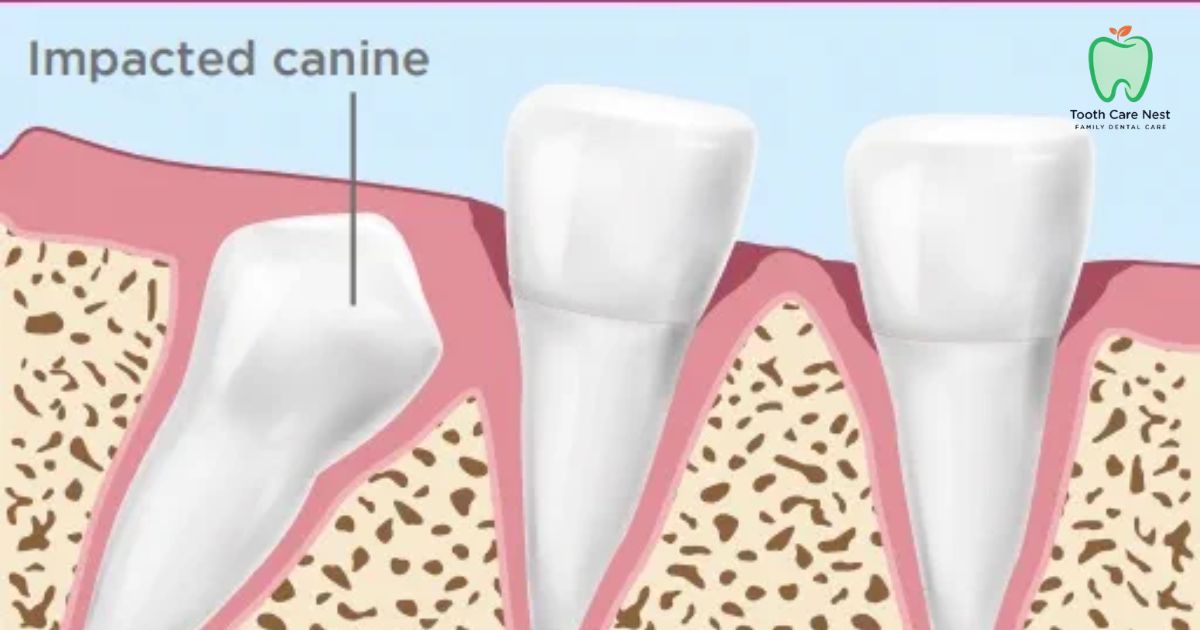
Impacted Canine Extraction: An impacted canine is a tooth that does not erupt normally into the dental arch and remains trapped beneath the gum or within the jawbone. Canines are important for biting, chewing, and maintaining proper dental alignment, so an impacted tooth is typically evaluated carefully before extraction is recommended. A dental examination and imaging can help determine the tooth’s exact position and its relationship to neighboring teeth.
Treatment depends on the canine’s location, angle, development, and overall condition. In some cases, exposure and orthodontic bonding may be considered to guide the natural tooth into position. When the canine cannot be successfully preserved or presents a risk to surrounding structures, surgical extraction may be recommended. The oral surgeon can explain the available options and select an approach based on the individual case.
Recovery after impacted canine extraction varies according to the complexity of the procedure. Temporary swelling, tenderness, and mild bleeding can occur during the early healing period. Following post-operative instructions, maintaining appropriate oral hygiene, choosing suitable foods, and attending follow-up appointments can help support recovery. Your surgical team will also explain warning signs that may require additional evaluation.
Trending Today : Maya Ramachandran, DMD
What Causes an Impacted Canine?
An impacted canine can develop when normal eruption is disrupted by the position of surrounding teeth, available space, or inherited factors.
Lack of Space: When the jaw does not provide enough room for the canine to erupt normally, the tooth may remain trapped beneath the gum or bone.
Retained Baby Tooth: A baby canine that does not fall out at the expected time can block the permanent canine and interfere with its normal eruption.
Abnormal Eruption Path: Sometimes the permanent canine develops at an unusual angle or follows an incorrect path, preventing it from reaching its proper position.
Genetics: Family history may play a role in canine impaction. Certain inherited dental and jaw characteristics can increase the likelihood of eruption problems.
How Impacted Canines Are Diagnosed
Diagnosing an impacted canine begins with a thorough dental examination. The dentist or oral surgeon checks the teeth, gums, and overall bite for signs that a permanent canine has not erupted normally or is developing in an unusual position.
Dental imaging is an important part of the evaluation because an impacted canine may be hidden beneath the gum or inside the jawbone. X-rays can help identify the tooth’s location, angle, development, and relationship to nearby teeth and structures.
The findings from the examination and imaging help the dental team determine the most appropriate treatment. Depending on the canine’s position and condition, options may include monitoring, orthodontic guidance, exposure and bonding, or surgical extraction.
Diagnosis typically involves:
- Clinical Examination: Checking tooth eruption, gum tissue, spacing, and the position of neighboring teeth.
- Dental X-rays: Using imaging to locate the impacted canine and assess its orientation.
- Treatment Planning: Reviewing the findings to determine whether the tooth can be guided into position or requires another treatment approach.
Treatment Options for an Impacted Canine
Treatment for an impacted canine depends on its position, condition, available space, and whether the tooth can be safely guided into the dental arch.
1. Surgical Exposure and Orthodontic Guidance
Surgical exposure and orthodontic guidance may be recommended when the impacted canine is healthy and has a reasonable chance of being brought into its proper position. The oral surgeon exposes the tooth and attaches an orthodontic device, allowing the orthodontist to gradually guide it into alignment.
In this procedure:
- The gum is carefully opened to access the impacted canine.
- An orthodontic attachment is bonded to the tooth.
- Gentle orthodontic pressure gradually moves the canine into position.
- The surgical and orthodontic teams monitor progress throughout treatment.
2. Surgical Extraction of the Impacted Tooth
Surgical extraction may be considered when the impacted canine cannot be successfully aligned, is causing damage to nearby teeth, or has other complications that make preservation impractical. The oral surgeon carefully accesses and removes the impacted tooth while protecting surrounding structures.
In these cases:
- The impacted tooth is evaluated through examination and imaging.
- Appropriate anesthesia or sedation is provided for comfort.
- The surgeon carefully exposes and removes the canine.
- Post-operative instructions are provided to support healing and recovery.
What the Procedure Is Like
The procedure is carefully planned based on the position of the impacted canine and the treatment approach selected by your oral surgeon.
During the procedure:
- Anesthesia or Sedation: Appropriate anesthesia or sedation is provided to help keep you comfortable.
- Accessing the Tooth: The surgeon carefully opens the gum tissue to reach the impacted canine when necessary.
- Exposure or Removal: Depending on the treatment plan, the canine is either exposed for orthodontic guidance or surgically removed.
- Post-Procedure Care: The surgical area is managed carefully, and you receive instructions for protecting the site during recovery.
Recovery and Healing
Recovery after impacted canine treatment varies depending on whether the tooth is exposed and guided orthodontically or surgically removed.
Typical healing timeline includes:
- First 1–3 Days: Mild swelling, tenderness, and discomfort may occur around the treatment area.
- First Week: Gum tissue generally begins healing, and normal activities can gradually resume as recommended.
- Following Weeks: The surgical area continues to heal while orthodontic treatment may begin or continue when the canine is being guided into position.
Patients are usually advised to:
- Follow all post-operative instructions provided by the oral surgeon.
- Keep the treatment area clean according to recommended oral hygiene instructions.
- Choose soft foods initially and avoid irritating the surgical site.
- Take prescribed or recommended medications as directed.
- Attend follow-up appointments so healing and tooth movement can be monitored.
When to See an Oral Surgeon
An oral surgeon can evaluate an impacted canine when normal eruption is delayed, unusual, or causing problems with nearby teeth.
- Delayed Tooth Eruption: Seek an evaluation when a permanent canine does not appear within the expected timeframe.
- Pain or Swelling: Persistent discomfort, gum swelling, or tenderness around the area may require professional assessment.
- Crowding or Tooth Movement: Changes in tooth alignment or pressure on neighboring teeth can indicate an eruption problem.
- Abnormal Dental Imaging: Your dentist may refer you to an oral surgeon if X-rays show an impacted or unusually positioned canine.
Final Thoughts
An impacted canine can affect tooth alignment, oral function, and the health of surrounding teeth if it is not properly evaluated. Early diagnosis through a dental examination and appropriate imaging can help identify the tooth’s position and guide treatment planning.
Treatment options vary from patient to patient. Depending on the condition and location of the canine, surgical exposure with orthodontic guidance may help preserve the natural tooth, while surgical extraction may be appropriate when preservation is not practical.
If you or your child has an impacted canine, consulting an experienced oral surgeon can provide a clearer understanding of the available options. A personalized evaluation can help determine the most suitable approach and support a safe, well-planned treatment and recovery.
FAQ
How do I know if I have an impacted canine?
An impacted canine may be suspected when a permanent canine does not erupt at the expected age, especially if there is unusual spacing, crowding, or a missing tooth in the dental arch. A dental examination and X-rays are usually needed to confirm whether the canine is impacted.
Can an impacted canine come in naturally over time?
In some cases, an impacted canine may eventually erupt on its own, particularly when there is enough space and the tooth is positioned favorably. However, delayed eruption should be evaluated by a dentist or oral surgeon rather than simply waiting indefinitely.
Is surgical exposure painful?
The procedure is performed with appropriate anesthesia or sedation to help keep you comfortable. Some tenderness, swelling, or discomfort can occur after the procedure, but your oral surgeon will provide instructions for managing the recovery.
Will I lose the tooth if it is impacted?
Not necessarily. Many impacted canines can be preserved through surgical exposure and orthodontic guidance, allowing the natural tooth to move into its proper position. Extraction may be considered when the tooth cannot be successfully preserved or is causing problems for surrounding structures.

Stoke is the author of ToothCareNest, sharing simple, practical, and easy-to-understand information about dental care, oral hygiene, and maintaining a healthy smile.