

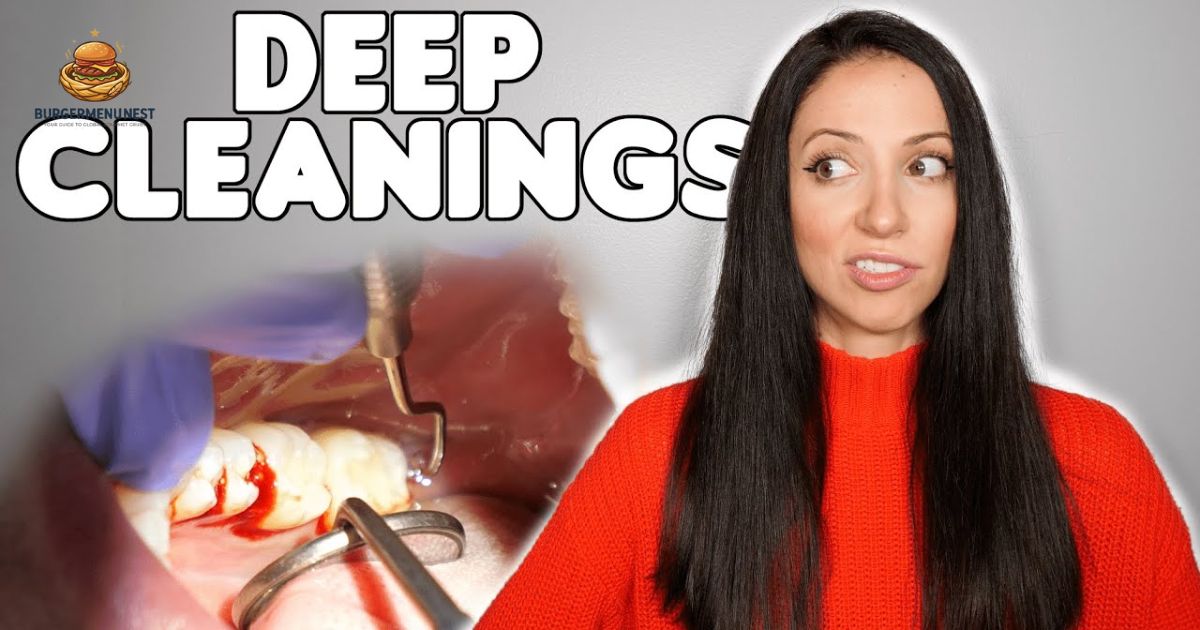
Is Deep Cleaning Painful? Deep cleaning, also called scaling and root planing, may cause some discomfort, but it is usually manageable. Your dentist may use a local anesthetic to numb the gums and teeth, especially when cleaning below the gumline. You may feel pressure, vibration, or mild sensitivity during the procedure rather than sharp pain.
After deep cleaning, your gums may feel tender or slightly sore for a day or two. Temporary sensitivity to hot, cold, or sweet foods is also common because plaque and tartar have been removed from around the teeth and gumline. Following your dentist’s aftercare instructions and using a soft toothbrush can help reduce discomfort while your gums heal.
You can also read:Cavity on Side of Tooth: Complete Guide to Treatment & Prevention
What Is a Deep Teeth Cleaning?
A deep teeth cleaning, also known as scaling and root planing, is a dental procedure used to remove plaque and hardened tartar from below the gumline and along the tooth roots. It is commonly recommended for people with gum disease, deep gum pockets, bleeding gums, or significant tartar buildup. Unlike a routine cleaning, deep cleaning focuses on areas that cannot be properly reached with normal brushing or standard dental cleaning.
Deep Cleaning vs Regular Dental Cleaning
A regular dental cleaning mainly removes plaque, tartar, and surface stains from the visible parts of your teeth and around the gumline. It is generally used as a preventive treatment to maintain healthy teeth and gums and is often recommended during routine dental visits.
Deep cleaning goes further by cleaning beneath the gumline and smoothing the tooth roots to remove bacteria and buildup. It is typically recommended when gum disease has caused deeper pockets between the gums and teeth. The procedure may be completed in sections of the mouth and can involve local anesthesia to keep the patient comfortable.
What Is Scaling and Root Planing?
Scaling and root planing is the technical name for deep teeth cleaning. Scaling removes plaque and tartar from the teeth, including deposits below the gumline, while root planing smooths rough areas on the tooth roots. Smoother root surfaces make it harder for bacteria and plaque to accumulate and allow the gums to heal and reattach more effectively.
How Deep Cleaning Treats Gum Disease
Deep cleaning helps control gum disease by removing bacteria, plaque, and tartar from areas that regular brushing and routine cleaning cannot reach. Cleaning beneath the gums can reduce inflammation and gum-pocket depth while creating healthier conditions for the gums to heal. Along with good daily oral hygiene and regular dental checkups, scaling and root planing can help prevent gum disease from progressing.
Why Would a Dentist Recommend Deep Cleaning?
A dentist may recommend deep cleaning when plaque and tartar have built up below the gumline and caused signs of gum disease. It is often suggested when the gums are inflamed, gum pockets have become deeper, or routine dental cleanings are no longer enough to remove harmful bacteria and deposits. The goal is to clean affected areas, reduce inflammation, and help prevent gum disease from becoming more severe.
Signs You May Need Deep Cleaning
Certain symptoms may indicate that gum disease has developed and that a deeper cleaning may be needed. Common signs include:
- Bleeding gums: Gums bleed easily when brushing or flossing.
- Deep gum pockets: Spaces between the teeth and gums become deeper.
- Persistent bad breath: Unpleasant breath continues despite regular brushing.
- Gum recession: Gums pull away from the teeth, making them appear longer.
- Loose or shifting teeth: Advanced gum problems can affect the tissues supporting the teeth.
How Dentists Diagnose Gum Disease
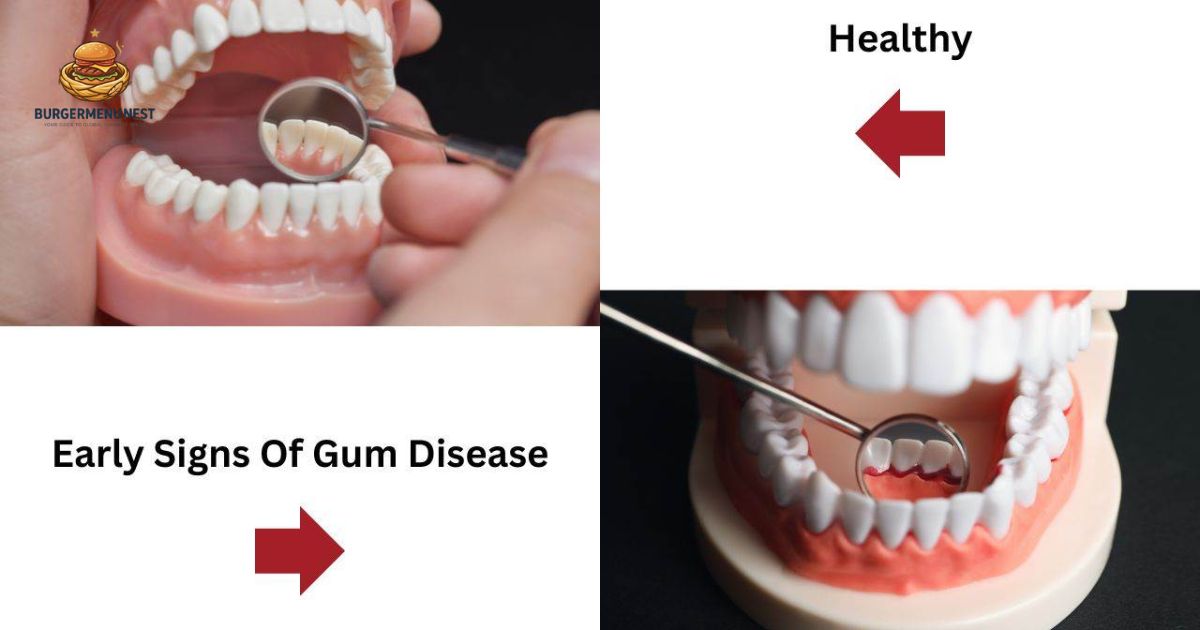
Dentists diagnose gum disease by examining the gums, checking for redness, swelling, bleeding, and recession, and measuring the depth of the spaces around each tooth with a periodontal probe. They may also take dental X-rays to look for bone loss or other changes below the gumline. The findings help determine the severity of gum disease and whether deep cleaning or another treatment is appropriate.
Does Deep Cleaning Hurt During the Procedure?
Deep cleaning may cause some discomfort, but most patients do not experience significant pain during the procedure. The dentist can numb the treatment area before cleaning below the gumline, making the process more comfortable. You may notice pressure, vibration, or mild sensitivity, particularly in areas where the gums are inflamed or sensitive.
How Dentists Prevent Pain
Dentists use several methods to keep patients comfortable during deep cleaning:
- Local anesthesia: Numbs the gums and treatment area.
- Topical numbing gel: Helps reduce discomfort before injections.
- Modern ultrasonic scalers: Help remove tartar efficiently with less manual scraping.
What Patients Typically Feel
During deep cleaning, patients commonly feel pressure, vibration, water, or movement around the teeth rather than sharp pain. Some areas may feel more sensitive than others, especially when the dentist cleans beneath the gumline. If you feel uncomfortable at any point, you can let your dentist know so additional numbing or other comfort measures can be provided.
Pain Level Compared to Other Dental Treatments
Pain levels vary from person to person, so the numbers below are general estimates rather than fixed measurements.
| Procedure | Typical Discomfort (1–10) | Anesthesia Used? | Typical Recovery |
| Deep Cleaning (Scaling & Root Planing) | 2–4 | Yes | 2–7 days |
| Tooth Extraction | 4–6 | Yes | 3–7 days |
| Root Canal | 2–4 | Yes | 1–3 days |
| Regular Cleaning | 0–2 | Usually no | None |
| Cavity Filling | 1–3 | Often yes | Hours–1 day |
| Dental Crown Preparation | 2–4 | Yes | 1–3 days |
Step-by-Step: What Happens During Deep Cleaning?
Oral Examination
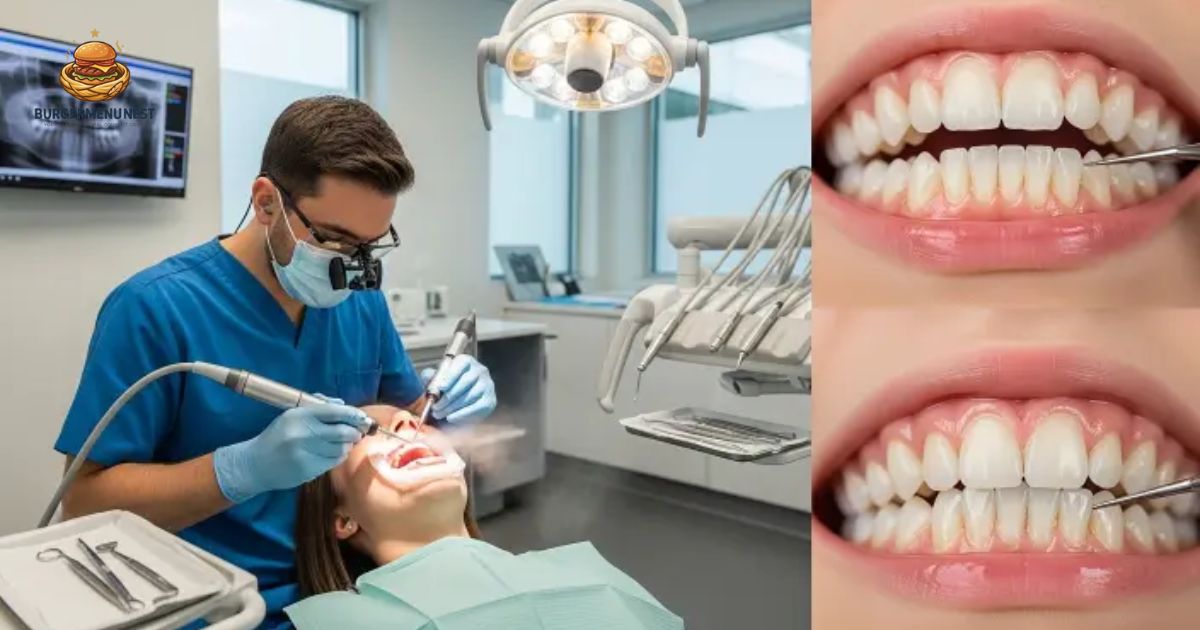
Before deep cleaning begins, the dentist examines your teeth and gums to assess the condition of your oral health. They may measure the depth of gum pockets, check for bleeding or recession, and use X-rays when necessary to identify bone loss or other problems below the gumline.
Numbing the Area
The dentist may apply a topical numbing gel before giving a local anesthetic to the areas being treated. Numbing helps reduce sensitivity and makes it more comfortable to clean beneath the gums and around the tooth roots.
Scaling (Removing Tartar Below Gums)
During scaling, the dentist or dental hygienist uses specialized hand instruments or an ultrasonic scaler to remove plaque, bacteria, and hardened tartar from the teeth. Particular attention is given to deposits below the gumline that cannot be removed effectively with regular brushing or flossing.
Root Planing (Smoothing Tooth Roots)
Root planing involves carefully smoothing the exposed surfaces of the tooth roots after tartar has been removed. This helps eliminate remaining bacterial deposits and creates a cleaner surface that allows inflamed gum tissue to heal more effectively.
Medication or Antibiotics (If Needed)
In some cases, a dentist may recommend an antimicrobial treatment or medication when there are signs of infection or areas that need additional bacterial control. Antibiotics are not routinely required for every deep cleaning and are generally used only when the dentist determines they are appropriate.
Follow-Up Appointments
A follow-up appointment allows the dentist to check how your gums are healing and determine whether inflammation and gum-pocket depths have improved. Depending on the severity of gum disease, additional periodontal treatment or regular maintenance cleanings may be recommended.
Is Deep Cleaning Painful After the Procedure?
After deep cleaning, it is normal to experience mild soreness or discomfort as your gums recover. The treated areas may feel sensitive for a few days, particularly when eating or drinking hot, cold, or sweet foods. Most discomfort is temporary and gradually improves as the gums heal. Following your dentist’s aftercare instructions can help make recovery more comfortable.
Normal Symptoms After Treatment
You may notice several temporary changes while your gums heal:
- Tender or sore gums: Mild soreness can occur after cleaning below the gumline.
- Tooth sensitivity: Teeth may temporarily become more sensitive to hot or cold foods and drinks.
- Minor bleeding: A small amount of bleeding may occur, especially during brushing or flossing.
- Slight gum swelling: Treated gums may remain mildly swollen or irritated for a short time.
- Gums appearing to recede slightly: As swelling and inflammation decrease, the gums may look slightly lower around the teeth.
How to Reduce Pain and Heal Faster After Deep Cleaning
Taking simple steps after deep cleaning can help reduce soreness, protect your gums, and support a smoother recovery. Follow your dentist’s specific instructions, especially if your treatment was extensive or you were prescribed medication.
- Saltwater rinses: Gently rinse with warm salt water to soothe irritated gums.
- Soft food diet: Choose soft foods that require less chewing while your mouth is tender.
- Over-the-counter pain relievers: Use an appropriate OTC pain reliever as directed on the label or by your dentist.
- Gentle brushing: Continue brushing carefully with a soft-bristled toothbrush without scrubbing the treated gums.
- Avoid smoking and alcohol: These can irritate healing gum tissue and may interfere with recovery.
- Cold compress: Apply a cold compress to the outside of your cheek for short periods to help reduce discomfort or swelling.
Benefits of Deep Cleaning Teeth
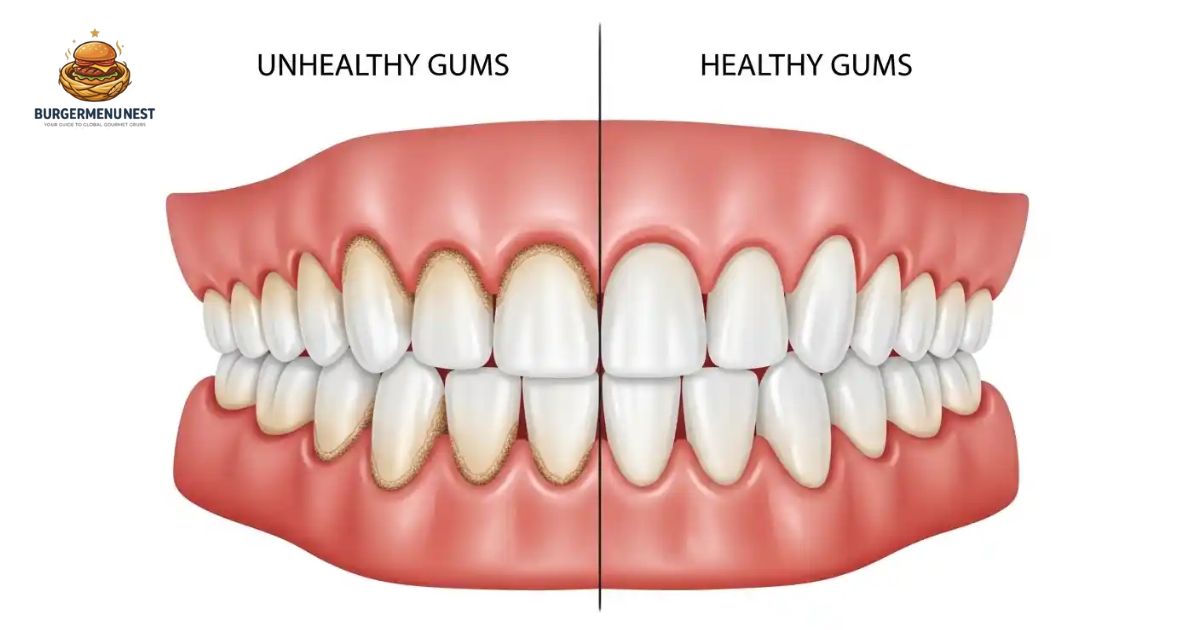
Deep cleaning can help remove plaque and tartar from below the gumline, reduce harmful bacteria, and create healthier conditions for the gums to heal. When combined with good daily oral hygiene and regular dental care, it may help manage gum disease and protect the tissues that support your teeth.
- Stops gum disease progression: Helps control the bacteria and buildup associated with gum disease.
- Preventing tooth loss: Treating gum disease can help protect the bone and tissues that support your teeth.
- Reduced systemic inflammation: Managing gum inflammation may reduce the overall inflammatory burden associated with periodontal disease.
- Fresher breath: Removing bacteria and tartar can help reduce persistent bad breath linked to gum disease.
- Healthier, firmer gums: As inflammation improves, gums may become less swollen, tender, and prone to bleeding.
Risks or Side Effects of Deep Cleaning
Deep cleaning is generally considered a safe treatment for gum disease, but some temporary side effects can occur afterward. Most are mild and improve as the gums heal. Your dentist can explain the potential risks based on the condition of your teeth and gums.
Temporary Sensitivity
Teeth may become more sensitive to hot, cold, or sweet foods and drinks after deep cleaning. This can happen because tartar has been removed from around the gumline and tooth roots may become more exposed. Sensitivity usually improves as the gums heal.
Gum Soreness
The gums may feel tender, irritated, or slightly swollen for a few days following treatment. Minor bleeding can also occur, particularly when brushing or flossing. Gentle oral hygiene and following your dentist’s aftercare instructions can help the gums recover.
Rare Complications
Serious complications are uncommon, but deep cleaning can occasionally cause prolonged bleeding, significant discomfort, infection, or other gum-related problems. Contact your dentist if you experience severe pain, persistent heavy bleeding, increasing swelling, fever, or symptoms that do not improve as expected.
How Long Does a Deep Cleaning Appointment Take?
A deep cleaning appointment usually takes about 1–2 hours, although the exact time depends on the amount of tartar, the number of teeth being treated, and the severity of gum disease. Some patients may need the procedure divided into two or more appointments so different areas of the mouth can be treated comfortably and thoroughly.
Is Deep Cleaning Really Necessary?
Deep cleaning may be necessary when gum disease has caused plaque, bacteria, and tartar to build up below the gumline and created deeper gum pockets. Unlike a regular cleaning, scaling and root planing reaches these affected areas to help control infection and inflammation. Your dentist can determine whether deep cleaning is appropriate based on your gum measurements, symptoms, and overall oral health.
Deep Cleaning vs Regular Teeth Cleaning
| Feature | Regular Cleaning | Deep Cleaning |
| Purpose | Preventive care | Treat and manage gum disease |
| Area treated | Above and around the gumline | Below the gumline and along tooth roots |
| Anesthesia | Usually not needed | Often used for comfort |
| Frequency | Commonly every 6 months | As needed, followed by periodontal maintenance when recommended |
| Pocket depth | Typically 1–3 mm | Often recommended when pockets are deeper, such as 4 mm or more with other signs of disease |
| Recovery | Little to none | Mild soreness or sensitivity may last several days |
Who Usually Needs Deep Cleaning?
- People with gum disease or periodontal disease
- Those with deep gum pockets, especially around 4 mm or deeper
- People with heavy tartar buildup below the gumline
- Those experiencing frequent bleeding or swollen gums
- People with persistent bad breath caused by gum disease
- Those with gum recession or early signs of damage to supporting tissues
Dental Anxiety While Deep Cleaning
Dental anxiety is common, especially when you are worried about pain or discomfort during deep cleaning. Let your dentist know about your concerns before treatment so they can explain each step, use appropriate numbing methods, and give you breaks when needed. Slow breathing, listening to calming music, and agreeing on a hand signal to pause treatment can also make the experience easier.
Schedule Your Deep Cleaning Today in Goodyear, AZ
If you have bleeding gums, persistent bad breath, gum recession, or other signs of gum disease, consider scheduling a dental examination in Goodyear, AZ. A dentist can evaluate your gums, measure pocket depths, and determine whether scaling and root planing is appropriate for your oral health.
Conclusion
Deep cleaning can be an important treatment for controlling gum disease and protecting the tissues that support your teeth. Although mild soreness or sensitivity may occur afterward, the procedure is generally manageable with proper numbing and aftercare. If your dentist has recommended deep cleaning, following the treatment plan and maintaining good brushing, flossing, and regular dental visits can support healthier gums.
Frequently Asked Questions
Is deep cleaning more painful than regular cleaning?
Deep cleaning can cause more discomfort than a regular dental cleaning because it involves cleaning below the gumline and around the tooth roots. However, local anesthesia can help keep the procedure comfortable, and any soreness afterward is usually temporary.
How long does pain last after deep cleaning?
Mild soreness, gum tenderness, or tooth sensitivity may last for a few days after deep cleaning. Most discomfort gradually improves as the gums heal. Contact your dentist if severe or worsening pain continues.
Can I eat normally after deep cleaning?
You can usually eat after deep cleaning, but your mouth may be sensitive for a short time. Soft, lukewarm foods are often more comfortable immediately afterward. Avoid very hot, cold, spicy, or hard foods if they cause discomfort.
Will I need deep cleaning again in the future?
Some people may need additional deep cleaning if gum disease returns or remains active. Regular dental checkups and periodontal maintenance, along with good brushing and flossing, can help reduce the need for repeated treatment.
Does deep cleaning cure gum disease?
Deep cleaning can help control gum disease by removing plaque and tartar from below the gumline and reducing inflammation. It does not permanently cure gum disease, so ongoing oral hygiene, professional maintenance, and dental monitoring are important.

Stoke is the author of ToothCareNest, sharing simple, practical, and easy-to-understand information about dental care, oral hygiene, and maintaining a healthy smile.