
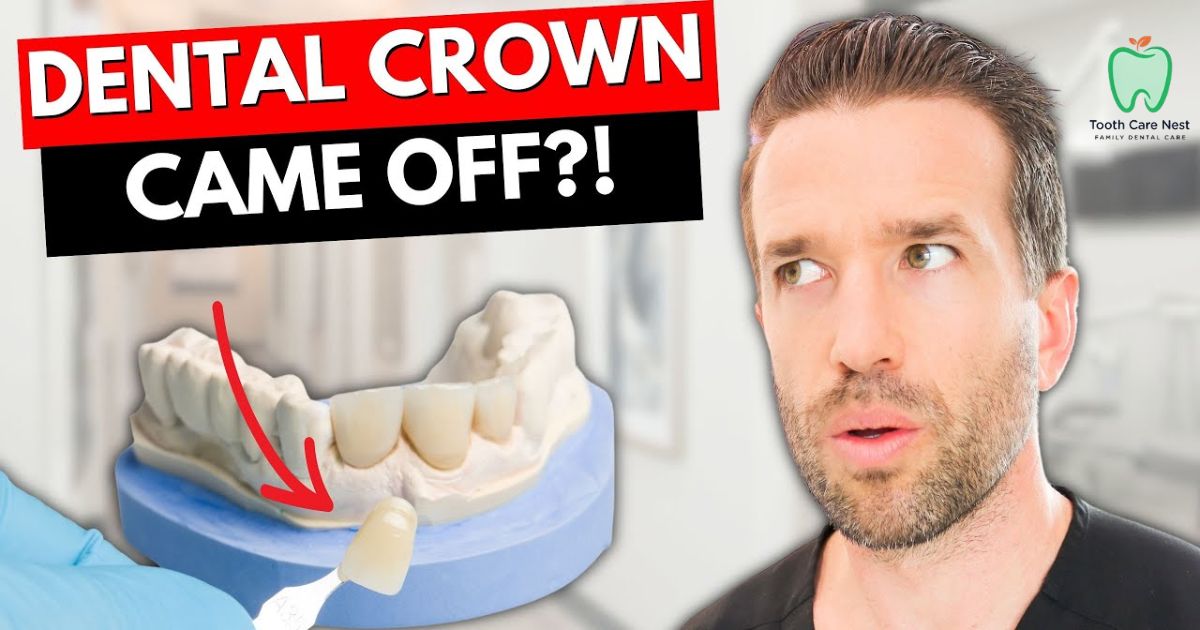
My Crown Fell Out : If your dental crown has fallen out but you do not feel any pain, you may wonder whether you need to do anything about it. The absence of pain is reassuring, but it does not necessarily mean the tooth is fine. A crown protects the underlying tooth, and once it comes off, the exposed tooth may be more vulnerable to sensitivity, decay, damage, and bacteria.
A crown can fall out for several reasons, including weakened dental cement, decay beneath the crown, damage to the underlying tooth, or normal wear over time. Sometimes a crown simply becomes loose without causing noticeable discomfort. Even if the tooth feels normal, it is a good idea to contact your dentist and arrange an examination so they can determine why the crown came off and whether it can be safely reattached.
Until you see your dentist, keep the crown in a clean container and avoid chewing hard or sticky foods on the affected side. Keep the exposed tooth clean by brushing gently, but do not force the crown back into place if it does not fit comfortably. Prompt dental attention can help protect the tooth and reduce the chance of further damage while you wait for treatment.
Trending Today : Can I Drink Soda After Wisdom Teeth Removal? Safe Timeline
What is a Dental Crown?
A dental crown is a custom-made cap that covers a damaged, weakened, or heavily restored tooth. It is designed to fit over the visible portion of the tooth and restore its shape, strength, appearance, and function. Crowns can be made from materials such as porcelain, ceramic, metal, or a combination of materials, depending on the location of the tooth and the patient’s needs.
Dentists may recommend a crown after a large filling, root canal treatment, significant tooth damage, or extensive decay has weakened the tooth. By covering and protecting the remaining tooth structure, a crown can help restore normal chewing and reduce the risk of further damage. With proper oral hygiene and regular dental care, a well-maintained crown can provide long-term protection.
Why Dental Crowns Fall Out
Dental crowns can fall out for several reasons, and the problem does not always cause pain. One common cause is weakened or damaged dental cement, which can allow the crown to loosen over time. Normal chewing, biting hard foods, sticky foods, or wear from teeth grinding can also place stress on the crown and eventually cause it to come loose.
Decay underneath or around the crown can also weaken the tooth and reduce the support holding the crown in place. If the underlying tooth becomes cracked, fractured, or significantly weakened, the crown may no longer fit securely. Poor oral hygiene can increase the risk of decay around the edges of a crown, while an older crown may simply need replacement after years of use.
Sometimes a crown falls out because of problems with its original fit or because the tooth has changed since the crown was placed. Even when there is no pain, a loose or missing crown should be checked by a dentist. Leaving the tooth uncovered can expose it to bacteria, sensitivity, furthe
What Happens If a Crown Falls Out?
When a crown falls out, the tooth underneath is left without its normal protection and may become more sensitive or vulnerable to decay and damage. Even if there is no pain, contact your dentist as soon as reasonably possible so the crown and underlying tooth can be examined. Keep the crown clean and safe, and avoid chewing hard or sticky foods on that side until you receive professional advice.
Temporary Crown Fell Out But It Doesn’t Hurt, Is It Urgent?
A temporary crown that falls out without pain is usually not a medical emergency, but it should still be addressed promptly because the temporary crown protects the prepared tooth while the permanent restoration is being made. Contact your dentist to ask whether it should be reattached or replaced. Until then, keep the area clean, avoid chewing on that tooth, and do not use household glue or other adhesives to put
What to Do Right Now
If your dental crown has fallen out, stay calm even if the tooth does not hurt. Contact your dentist and arrange an appointment to have the crown and exposed tooth checked. In the meantime, save the crown, keep the area clean, and protect the exposed tooth from unnecessary pressure or damage.
Find and Save Your Crown
Look for the crown carefully and handle it gently by the edges rather than touching the inside surface. Rinse it lightly with clean water if needed, but do not scrub it aggressively or use chemicals.
Place the crown in a clean container or small sealed bag and take it with you to the dentist. Your dentist may be able to clean and reattach it if the crown and underlying tooth are still suitable.
Check Your Crown and Tooth
Look at the crown for obvious cracks, breaks, or pieces that may have chipped off. Do not try to force it back onto the tooth, especially if it does not fit easily or causes discomfort.
Check the exposed tooth for sharp edges, cracks, swelling, bleeding, or unusual sensitivity. Even without pain, the tooth should be examined because problems underneath the crown may not always cause immediate symptoms.
Protect Your Exposed Tooth
Keep the exposed tooth clean by brushing gently around the area. Avoid biting directly on that tooth because it may be weaker or more sensitive without the crown protecting it.
Stay away from very hard, crunchy, or sticky foods on the affected side. If the tooth becomes sensitive, choosing softer foods and avoiding very hot or cold drinks may make you more comfortable until you can see your dentist.
Take Care While You Wait
Do not use super glue, household glue, or other adhesives to permanently attach the crown yourself. These products can damage the tooth and make professional treatment more difficult.
Follow your normal oral hygiene routine while being gentle around the exposed tooth. If you develop severe pain, significant swelling, bleeding, or other concerning symptoms while waiting for your appointment, contact your dentist promptly.
What Should You Do If Your Crown Pops Off?
If your crown pops off, save it carefully, rinse it gently if necessary, and contact your dentist to arrange an examination. Avoid chewing on the exposed tooth and do not use household glue to put the crown back. Even when there is no pain, the underlying tooth may need protection or treatment.
Why No Pain Doesn’t Mean You’re Safe
A crown can come off without causing any immediate pain, especially if the underlying tooth has not been exposed to severe irritation.
However, the tooth is now less protected and may be more vulnerable to bacteria, decay, sensitivity, or damage.
Some dental problems can develop gradually without noticeable symptoms, so feeling fine does not necessarily mean everything underneath the crown is healthy.
The crown may also have fallen out because of weakened cement, decay, a crack, or changes in the underlying tooth.
For this reason, it is still important to have the crown and tooth checked by a dentist, even if you feel completely comfortable.
When to Get Help and Warning Signs
Contact your dentist as soon as reasonably possible if your crown has fallen out, even if there is no pain. Your dentist can determine whether the crown can be reattached or whether the tooth needs additional treatment.
Seek prompt dental care if you develop increasing sensitivity, significant pain, swelling, bleeding, a bad taste or odor, or visible damage to the exposed tooth. These symptoms may indicate decay, infection, or damage that needs attention.
If you develop severe swelling of the face or jaw, difficulty breathing or swallowing, uncontrolled bleeding, or severe rapidly worsening pain, seek urgent medical attention. These symptoms can indicate a more serious dental problem that should not be delayed.
What Your Dentist Will Do
When you visit your dentist after a crown falls out, they will examine the crown and the underlying tooth to find out why it came loose. They may check for decay, cracks, damage, changes in the tooth structure, or problems with the crown’s fit. Based on the examination, the dentist will decide whether the existing crown can be safely put back or whether another treatment is needed.
Getting Your Crown Put Back On
If the crown is intact and the underlying tooth is healthy, your dentist may be able to clean the crown and tooth before securely re-cementing the crown in place.
The dentist will check the fit carefully to make sure the crown sits correctly and does not interfere with your bite. Once properly cemented, you can return to normal use while following your dentist’s care instructions.
When You Need a New Crown
A new crown may be necessary if the old one is cracked, badly damaged, no longer fits properly, or cannot provide adequate protection. Your dentist may also recommend replacement if decay or damage has weakened the tooth underneath. In some cases, the tooth may need additional treatment before a new crown can be placed.
Crown Broke Off a Root Canal Tooth, Is It Serious?
A broken crown on a root canal-treated tooth should be checked by a dentist promptly, even if it does not hurt. Root canal-treated teeth can be more vulnerable to fractures, and a damaged or missing crown can leave the tooth exposed to bacteria and further damage. Your dentist will examine the remaining tooth and crown to determine whether it can be repaired or needs a new restoration.
How Long Can You Go Without a Temporary Crown?
It is best not to leave a prepared tooth without its temporary crown any longer than necessary because the tooth may be more vulnerable to sensitivity, shifting, contamination, or damage. Contact your dentist as soon as possible for advice and an appointment. Until then, avoid chewing hard or sticky foods on that side and keep the area clean.
Can a Crown Be Put Back On After It Falls Out?
Yes, a crown can sometimes be put back on if it is intact, fits properly, and the underlying tooth is healthy enough to support it. Your dentist will clean and examine both the crown and tooth before deciding whether re-cementing is appropriate. If the crown is damaged or the tooth has developed decay, cracks, or other problems, a new crown or additional treatment may be necessary.
Special Situations
A loose or missing crown can be concerning, but the right response depends on whether the crown is still attached, completely out, or damaged. Even without pain, avoid putting unnecessary pressure on the affected tooth and arrange a dental appointment.
If the crown comes off outside normal office hours, you can usually protect the tooth temporarily at home while waiting for professional care. Keep the crown clean and safe, maintain gentle oral hygiene, and avoid hard or sticky foods around the exposed tooth.
If you experience severe pain, significant swelling, uncontrolled bleeding, or signs of infection, do not wait for a routine appointment. Seek urgent dental or medical care, particularly if swelling affects your ability to breathe or swallow.
My Crown Is Loose — Should I Pull It Out?
Do not deliberately pull off a loose crown unless your dentist specifically tells you to do so. Removing it yourself could damage the underlying tooth or cause the crown to break. Contact your dentist for advice, and avoid chewing on that side until the crown can be examined and safely managed.
Crown Fell Out on the Weekend? Here’s What to Do
If your crown falls out on a weekend, keep the crown in a clean container and contact your dentist when the office reopens. Avoid chewing on the exposed tooth, especially hard or sticky foods, and keep the area gently clean. If the crown causes no severe symptoms, protecting the tooth until your appointment is generally reasonable, but urgent symptoms require immediate care.
How to Prevent This From Happening Again
Keep your crown and surrounding teeth clean by brushing twice daily and cleaning between your teeth as recommended by your dentist. Good oral hygiene helps reduce decay around the crown.
Avoid chewing very hard foods, ice, or other objects that can place excessive pressure on the crown and cause it to crack or loosen.
If you grind or clench your teeth, ask your dentist whether a custom night guard could help protect your crown from excessive biting forces.
Attend regular dental checkups so your dentist can monitor the crown, its fit, and the condition of the tooth underneath. Early problems are often easier to treat.
If your crown ever feels loose, uncomfortable, or different when you bite, contact your dentist instead of waiting for it to fall ou
Conclusion
A crown can fall out even when there is no pain, but it should not be ignored. The exposed tooth may be more vulnerable to decay, sensitivity, bacteria, and further damage.
Keep the crown safe, protect the exposed tooth, and contact your dentist for an examination. Avoid hard or sticky foods and never use household glue to put the crown back yourself.
With prompt dental care, your dentist can determine whether the original crown can be reattached or whether you need a new restoration. Taking care of the crown and maintaining good oral hygiene can also help p
Did Your Crown Fall Off?
If your crown fell off, don’t panic—even if the tooth does not hurt. Save the crown, keep it clean, and contact your dentist to have the crown and underlying tooth checked.
Until your appointment, avoid chewing hard or sticky foods on that side and do not use household glue to put the crown back. Prompt dental care can help protect the exposed tooth and determine whether the crown can be
Frequently Asked Questions
Can a dental crown fall out years later?
Yes. A dental crown can become loose or fall out years after placement because of worn cement, decay beneath the crown, tooth damage, grinding, or normal wear. Even an older crown that has worked well for years may eventually need repair or replacement.
How do dentists reattach a fallen crown?
If the crown is intact and the underlying tooth is healthy, the dentist can clean both surfaces, check the fit, and re-cement the crown using dental cement. If the tooth or crown is damaged, additional treatment or a replacement crown may be necessary.
Can I eat normally with a crown that fell out?
It is best to avoid eating normally on the affected side until your dentist has examined the tooth. Hard, crunchy, and sticky foods can damage the exposed tooth or make sensitivity worse. Choose softer foods and chew on the opposite side when possible.
How long can I wait to see a dentist if my crown falls out but doesn’t hurt?
You should contact your dentist as soon as reasonably possible, even if you have no pain. A missing crown leaves the tooth less protected and may allow bacteria, decay, or further damage to develop. Your dentist can advise how quickly you need to be seen based on your situation.
Can I use super glue to put my crown back on?
No. Do not use super glue or household adhesives on a dental crown. These products are not designed for use in the mouth and can damage the tooth, irritate tissues, or make professional reattachment more difficult. Let your dentist handle the crown using appropriate dental materials.
Why doesn’t my crown hurt when it falls out?
A crown can fall out without pain because the underlying tooth may not be irritated or exposed to significant sensitivity. Some root canal-treated teeth may also have reduced sensation. However, the absence of pain does not guarantee that the tooth underneath is healthy.
Will my insurance cover crown reattachment?
Coverage depends on your dental insurance plan and the reason for the crown repair or replacement. Some plans may cover certain restorative procedures, while others may have waiting periods, deductibles, or limits. Check your specific policy or contact your insurance provider before treatment if you need to know your expected costs.
Is a fallen crown always a dental emergency?
No. A crown that falls out without pain, severe swelling, or other serious symptoms is usually not an emergency, but it still needs dental attention. Seek urgent care if you develop severe pain, significant swelling, uncontrolled bleeding, or difficulty breathing or swallowing.
Should I keep the crown if it falls out?
Yes. Keep the crown and take it to your dental appointment. Place it in a clean container and handle it carefully. Your dentist can examine it and determine whether it is still suitable for reattachment or whether you need a replacement.

Stoke is the author of ToothCareNest, sharing simple, practical, and easy-to-understand information about dental care, oral hygiene, and maintaining a healthy smile.