

Dental implants provide a reliable way to replace missing teeth while restoring comfortable chewing and a natural-looking smile. The treatment involves placing an implant post into the jawbone to create a stable foundation for a replacement tooth. Patients in Central Jersey can receive an individualized evaluation to determine whether implants are suitable for their oral health, bone structure, and long-term dental goals.
Trending Today : Tooth Extraction Princeton
How do Dental Implants Work?
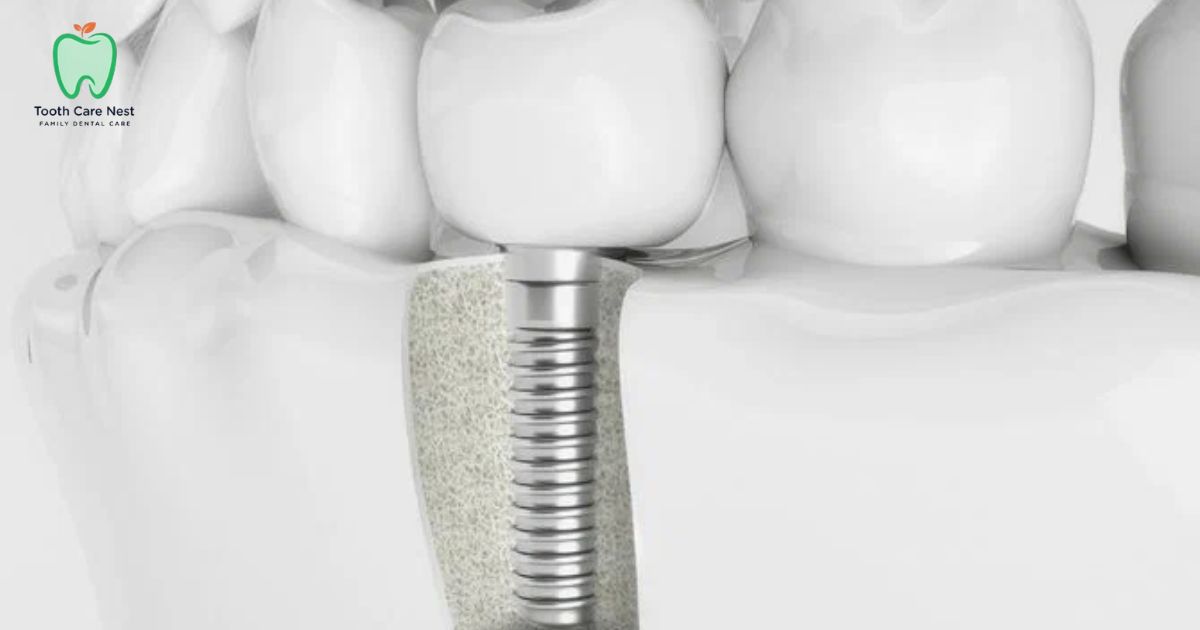
Dental implants replace the root of a missing tooth with a small implant post that is placed into the jawbone. As the area heals, the bone gradually integrates with the implant, creating a stable foundation. Once healing is complete, an abutment and custom crown can be attached to restore the tooth’s appearance and function.
Titanium Implant
The titanium implant is a small post surgically placed into the jawbone to act as an artificial tooth root. It provides the stable foundation needed to support the final dental restoration.
Abutment
The abutment is a connector attached to the implant after the healing phase. It extends above the gumline and provides the attachment point for the replacement tooth.
Crown
The crown is the visible replacement tooth secured to the abutment. It is custom-designed to blend with the surrounding teeth while helping restore normal chewing and appearance.
7 Benefits of Dental Implants
Natural Appearance: Dental implants can be paired with custom-made crowns designed to match the shape, size, and appearance of surrounding teeth, creating a natural-looking smile.
Improved Chewing Ability: A securely supported implant restoration can help restore biting and chewing function, making it easier to enjoy a wider variety of foods.
Longevity: With proper oral hygiene and regular dental care, dental implants can provide a durable, long-term solution for replacing missing teeth.
Preservation of Jawbone: The implant post stimulates the surrounding jawbone and can help reduce the bone loss that commonly occurs after tooth loss.
Convenience: Unlike removable dentures, implant-supported teeth are designed to remain securely in place, eliminating the need for daily removal and adhesives.
Improved Oral Health: Replacing a missing tooth can help maintain proper spacing and support a more functional bite. Good cleaning habits around the implant can also help protect the surrounding gums and teeth.
Enhanced Confidence: A stable, natural-looking replacement tooth can improve how you feel about your smile and make everyday activities such as speaking and eating more comfortable.
Caring for Dental Implants
Caring for dental implants is similar to maintaining natural teeth. Brush twice daily with a soft-bristled toothbrush, clean carefully around the implant and gumline, and use floss or other recommended cleaning aids to remove plaque from hard-to-reach areas. Good daily hygiene can help keep the surrounding gums healthy.
Regular dental checkups are also important for monitoring the implant, crown, and surrounding tissues. Avoid using your teeth to open packages or biting excessively hard objects, and follow your dental team’s recommendations for professional cleanings and long-term implant maintenance.
Frequently Asked Questions: Dental Implants
Why Choose to Replace Teeth with Dental Implants?
Dental implants can replace missing teeth with restorations designed to look and function much like natural teeth. They provide a stable foundation for a crown, bridge, or other restoration and can help restore chewing ability while supporting the structure of the jaw.
What Should I Expect During Dental Implant Procedure?
Treatment begins with an examination and dental imaging to evaluate your teeth, gums, and available jawbone. During implant placement, the implant post is positioned in the jawbone under appropriate anesthesia or sedation. After a healing period that allows the implant to integrate with the bone, an abutment and custom restoration can be placed.
How Is the Recovery After Dental Implant Surgery?
Some swelling, tenderness, or minor bruising may occur following implant placement. Your dental team will provide instructions regarding oral hygiene, diet, physical activity, and care of the surgical area during the early healing period.
The implant then requires time to integrate with the surrounding jawbone before the final restoration is attached. Healing times vary between patients and can depend on the treatment performed and the condition of the jawbone. Regular follow-up appointments allow your dental team to monitor progress and confirm that healing is proceeding properly.

Stoke is the author of ToothCareNest, sharing simple, practical, and easy-to-understand information about dental care, oral hygiene, and maintaining a healthy smile.