

When a Molar Needs to Come Out: Warning Signs You Shouldn’t Ignore
Molar Tooth Extraction: Molars play an important role in chewing and maintaining a balanced bite, but some become too damaged or problematic to preserve. Persistent pain, infection, severe decay, or structural damage can sometimes make extraction necessary.
Recognizing warning signs early can help prevent dental problems from becoming more serious. A dentist or oral surgeon can examine the tooth, use appropriate imaging, and determine whether extraction or another treatment is the better option.
Trending today ; How Long Does It Take to Recover from Dental Implant Surgery in Somerville?
Persistent or Worsening Tooth Pain
Ongoing or increasing molar pain can indicate decay, infection, inflammation, or damage that requires professional evaluation.
- Pain that lasts for several days
- Pain when biting or chewing
- Sensitivity to hot or cold
- Throbbing or constant discomfort
- Pain that interferes with sleep or daily activities
Persistent pain does not always mean extraction is necessary, but it should not be ignored. A dental evaluation can determine the underlying cause and whether the tooth can be saved.
Swelling Around the Tooth or Jaw
Swelling near a molar may indicate inflammation or infection that needs prompt dental attention.
- Swollen gums around the tooth
- Facial or cheek swelling
- Tenderness along the jaw
- Red or irritated gum tissue
- Swelling that continues to increase
Swelling associated with significant pain or infection should be evaluated promptly. Early treatment may prevent the problem from spreading to nearby tissues.
Repeated Infections or Abscesses
A molar that repeatedly develops infections or abscesses may have an underlying problem that requires definitive treatment. Recurring infections can occur when bacteria reach the inner portion of a damaged or severely decayed tooth.
If the tooth cannot be successfully restored, extraction may be considered to remove the source of infection. Your dentist or oral surgeon can evaluate the tooth and discuss appropriate treatment options.
Severe Tooth Decay
Extensive decay can weaken a molar to the point that a filling, crown, or other restorative treatment may no longer provide a predictable solution.
- Large areas of missing tooth structure
- Deep cavities
- Persistent sensitivity or pain
- Broken portions of the tooth
- Decay extending below the gumline
When decay has significantly compromised the tooth, an oral health professional can determine whether restoration is possible. If the tooth cannot be adequately repaired, extraction may be recommended.
Cracked or Fractured Molars
A cracked or fractured molar may cause pain when chewing and can become increasingly difficult to protect from bacteria.
- Pain when biting down
- Sharp pain when releasing a bite
- Visible cracks or fractures
- Sensitivity to temperature
- Repeated discomfort in the same tooth
The treatment depends on the location and severity of the fracture. Some cracks can be managed with restorative treatment, while severely fractured or non-restorable molars may require extraction.
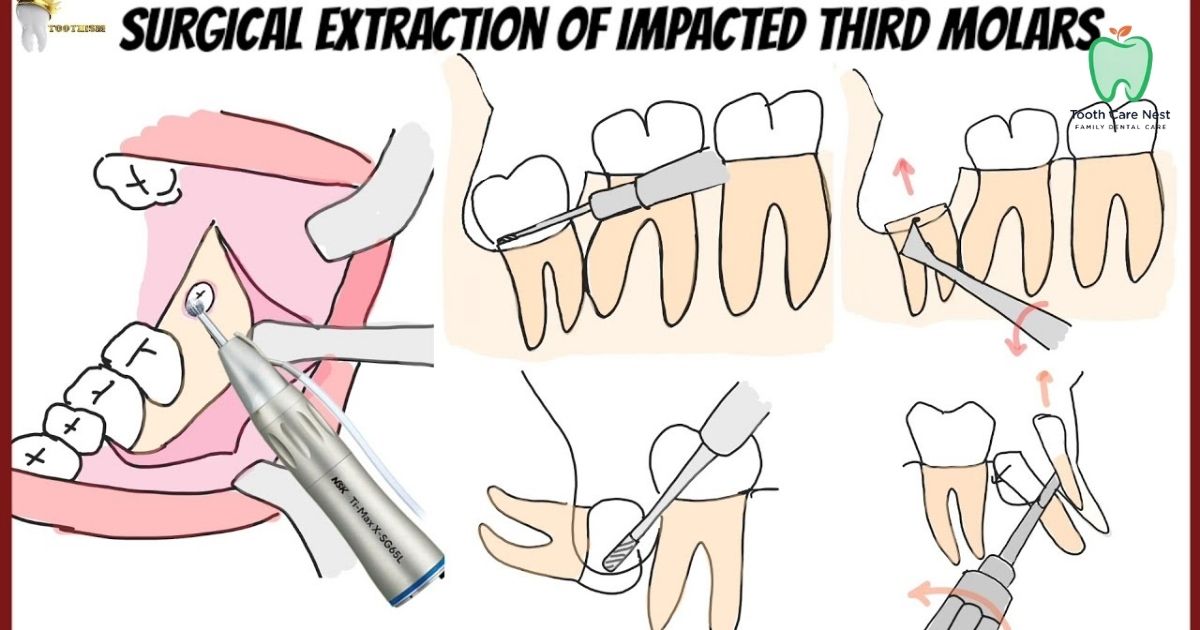
Wisdom Teeth Problems
Wisdom teeth can cause problems when they are impacted, partially erupted, crowded, or difficult to clean properly.
- Repeated gum inflammation
- Pain or pressure near the back of the mouth
- Swelling around a partially erupted tooth
- Infection around the wisdom tooth
- Damage or pressure affecting nearby teeth
An oral surgeon can use dental imaging to evaluate the position of wisdom teeth and determine whether removal is appropriate.
Loose or Shifting Molars
A molar that becomes loose or begins shifting may indicate problems involving the supporting bone, gums, or tooth itself.
- Noticeable tooth movement
- Changes in your bite
- Difficulty chewing
- Gum recession around the tooth
- Bleeding or inflammation of nearby gums
Loose teeth should be evaluated rather than left untreated. Depending on the cause and severity, treatment may involve periodontal care, restoration, or extraction.
Persistent Bad Taste or Odor
A persistent unpleasant taste or odor near a molar can sometimes be associated with trapped food, decay, gum disease, or an underlying infection.
- Bad taste that repeatedly returns
- Persistent mouth odor
- Drainage around the tooth
- Swollen or irritated gums
- Unpleasant taste accompanied by pain
These symptoms warrant a dental examination to identify the underlying cause. Treating the source may help prevent the problem from progressing.
Jaw Pain or Difficulty Opening Your Mouth
Jaw discomfort or difficulty opening the mouth can occur when inflammation or infection affects a molar and surrounding tissues.
- Pain while opening the mouth
- Stiffness around the jaw
- Difficulty chewing
- Pain extending toward the ear or jaw
- Reduced ability to open the mouth normally
These symptoms should be assessed, particularly when they occur with swelling, fever, or significant tooth pain. Prompt evaluation can help determine whether the molar requires extraction or another form of treatment.
Why Oral Surgeons Handle Complex Molar Extractions
Oral surgeons receive specialized training for surgical procedures involving teeth, jaws, and surrounding structures, making them well suited to manage complicated extractions.
- Advanced Surgical Training: Specialized training prepares oral surgeons to manage routine and complex tooth removals.
- Diagnostic Planning: Dental imaging helps evaluate roots, bone, nerves, and surrounding structures before surgery.
- Sedation Options: Appropriate anesthesia and sedation options can be discussed based on the procedure and patient needs.
- Management of Complications: Oral surgeons are trained to address challenging anatomy and potential surgical complications.
- Post-Operative Care: Patients receive individualized instructions and follow-up guidance to support proper healing.
Complex molar extractions require careful planning and technique, particularly when teeth are impacted, fractured, deeply decayed, or located near important anatomical structures. An oral surgeon can assess the case and recommend the safest appropriate approach.
Final Thoughts
Molar problems should not be ignored when pain, swelling, infection, decay, or other unusual symptoms persist. Early evaluation can help identify the cause and determine whether the tooth can be preserved or whether extraction may provide a better long-term solution.
Not every painful or damaged molar needs to be removed. Depending on the condition of the tooth and surrounding tissues, restorative treatment may sometimes be possible. When extraction is necessary, an oral surgeon can carefully evaluate the tooth and plan the procedure based on its position, roots, and overall complexity.
If you notice persistent pain, repeated infections, swelling, a cracked tooth, or difficulty opening your mouth, schedule a dental evaluation. Prompt professional care can help prevent complications and provide a clearer path toward restoring your oral health and comfort.
FAQs
How do I know if my molar needs to be extracted?
Persistent pain, severe decay, repeated infections, fractures, swelling, or significant looseness may indicate that a molar needs to be removed. However, only a dental examination and appropriate imaging can determine whether extraction is necessary.
Can a severely damaged molar be saved?
In some cases, a damaged molar can be restored with treatments such as a filling, crown, or root canal. If the tooth has extensive structural damage or cannot be predictably restored, extraction may be recommended.
Is molar extraction painful?
The extraction area is numbed with local anesthesia, and sedation may be available when appropriate. Some soreness, swelling, or tenderness can occur after the procedure as the area heals.
When should I see an oral surgeon for a molar problem?
An oral surgeon may be appropriate when a molar is impacted, severely fractured, difficult to remove, or located near important anatomical structures. Your dentist can also refer you when specialized surgical care is needed.

Stoke is the author of ToothCareNest, sharing simple, practical, and easy-to-understand information about dental care, oral hygiene, and maintaining a healthy smile.