

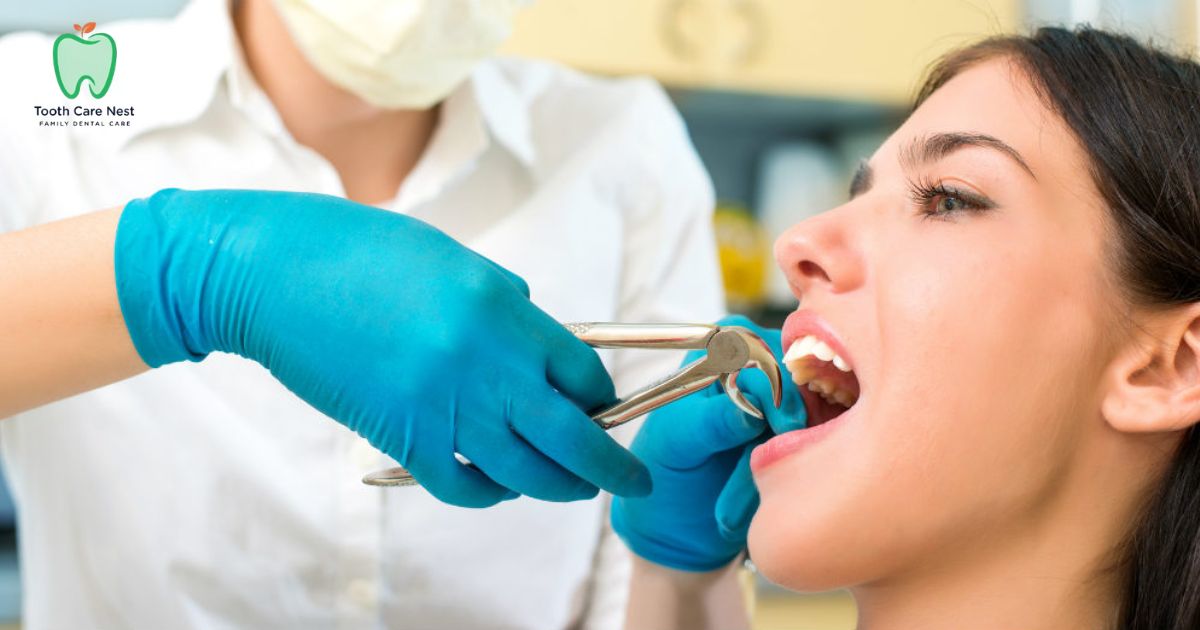
Tooth extraction may be recommended when a tooth is severely damaged, decayed, infected, or creating problems for surrounding teeth. In Princeton, NJ, an oral surgeon can evaluate your dental condition and determine whether removing the tooth is the most appropriate treatment option.
The extraction process is carefully planned based on the tooth’s location, condition, and complexity. With appropriate anesthesia and professional care, the procedure can be performed comfortably, followed by personalized instructions to support proper healing and recovery.
Trending today ; Dental Implant Placement Central Jersey
Trusted Oral Surgeons Serving Princeton
Choosing an experienced oral surgeon can make tooth extraction feel more manageable and help ensure that your treatment is planned around your individual dental needs. A qualified specialist can evaluate the affected tooth, explain your treatment options, and recommend an appropriate approach based on its condition and position.
Patients in Princeton can seek professional oral surgical care for routine and complex extractions, including teeth that are damaged, impacted, or difficult to remove. From the initial consultation through recovery, your surgical team can provide guidance and aftercare instructions to support a smooth treatment experience.
Professional Tooth Extraction Near Princeton
Simple and Surgical Tooth Extractions
Simple extractions are generally performed when a tooth is fully visible and can be removed without extensive surgical access. Surgical extractions may be necessary for impacted, broken, or difficult-to-access teeth and can involve carefully opening the gum or sectioning the tooth for removal.
Sedation and Pain Management Options
To help you remain comfortable, your oral surgeon can discuss anesthesia and sedation options based on the complexity of the extraction and your individual needs. Local anesthesia, nitrous oxide, IV sedation, or other appropriate options may be considered.
Safety Standards and Technology
Modern imaging and surgical techniques can help the oral surgeon evaluate the tooth and surrounding structures before treatment. Careful planning, appropriate sterilization, monitoring, and the use of suitable technology help support a safe and controlled extraction procedure.
Healing Timeline and Aftercare Expectations
Some soreness, swelling, or minor bleeding may occur after an extraction, particularly during the first few days. Following your surgeon’s instructions for eating, oral hygiene, activity, and medication can support healing, while follow-up care allows the surgical team to monitor your recovery.
Why Choose Our Oral Surgery Team Near Princeton
Experienced Oral Surgeons
Experienced oral surgeons can provide specialized care for both straightforward and complex tooth extractions. Their training allows them to evaluate each case carefully and select an appropriate surgical approach.
Advanced Diagnostic Imaging
Modern diagnostic imaging helps the surgical team view the tooth, jawbone, nerves, and surrounding structures before treatment. This information supports accurate treatment planning and helps identify potential complications.
Patient Comfort–Focused Care
Your comfort is an important part of the treatment experience. The team can discuss suitable anesthesia and sedation options while monitoring you throughout the procedure to help minimize discomfort and anxiety.
Personalized Treatment Plans
Every extraction is different, so treatment is planned according to the tooth’s condition, position, and your individual needs. Your oral surgeon can explain the recommended procedure, recovery expectations, and aftercare instructions.
Safe, Sterile Environment
A clean and properly maintained surgical environment helps support safe treatment. Appropriate sterilization procedures, infection-control practices, and careful monitoring are used throughout the extraction process.
Professional Tooth Extraction Near Princeton
Consultation & Evaluation
The process begins with a consultation to assess the affected tooth and review your dental history. Your oral surgeon will discuss your symptoms, examine the area, and explain whether extraction is the appropriate treatment.
Diagnostic Imaging
Dental X-rays or other imaging may be used to evaluate the tooth’s roots, surrounding bone, and nearby anatomical structures. This helps the surgeon understand the tooth’s position and plan the extraction safely.
Tooth Extraction Procedure
Depending on the condition and position of the tooth, the extraction may be simple or surgical. Appropriate anesthesia or sedation can be provided to keep you comfortable while the surgeon carefully removes the tooth.
Recovery & Follow-Up Care
After extraction, you will receive instructions for caring for the treatment area during healing. Mild discomfort and swelling may occur, while follow-up appointments can help your oral surgeon monitor recovery and address any concerns.
Recovery After Tooth Extraction
Recovery after tooth extraction typically involves some soreness, swelling, and mild bleeding during the first few days. Following your oral surgeon’s instructions can help protect the extraction site and support proper healing.
It is generally important to avoid disturbing the blood clot that forms in the socket, maintain appropriate oral hygiene, and choose softer foods during the initial recovery period. Your surgeon may also provide specific guidance regarding medications, physical activity, and when to resume normal eating habits.
Healing time varies depending on the type of extraction and your individual circumstances. Follow-up care may be recommended to ensure the site is healing properly and to address any concerns that arise during recovery.
Frequently Asked Questions
Is tooth extraction painful?
Local anesthesia or an appropriate sedation option is used to keep you comfortable during the procedure. Some soreness and swelling can occur afterward as the extraction site heals.
How long does it take to recover after a tooth extraction?
Initial healing commonly takes several days, although the extraction site can continue to heal for a longer period. Recovery time depends on the complexity of the extraction and your individual healing process.
What can I eat after a tooth extraction?
Soft foods are generally easier to manage during the first part of recovery. Your oral surgeon can provide specific dietary instructions and advise when you can gradually return to your usual foods.
When should I contact my oral surgeon after an extraction?
Contact your oral surgeon if you experience severe or worsening pain, persistent bleeding, significant swelling, fever, or other symptoms that concern you. Prompt evaluation can help identify and address potential complications.

Stoke is the author of ToothCareNest, sharing simple, practical, and easy-to-understand information about dental care, oral hygiene, and maintaining a healthy smile.