

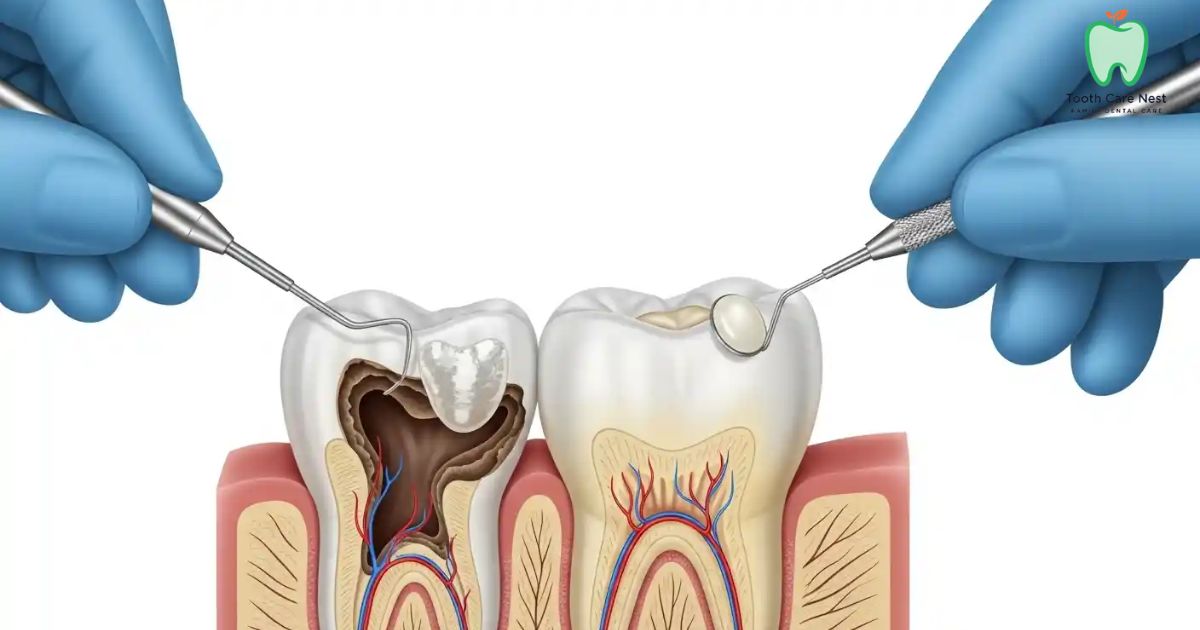
Can I Eat After a Filling? Yes, you can usually eat after getting a dental filling, but the timing depends on the type of filling and whether your mouth is still numb. With a tooth-colored composite filling, you can generally eat once the procedure is finished, but it is safer to wait until the numbness wears off so you do not accidentally bite your cheek, tongue, or lip.
If you received a metal amalgam filling, your dentist may recommend waiting several hours before chewing on that tooth because the material takes longer to fully harden. When you first eat after a filling, choose softer foods and avoid very hard, sticky, or extremely hot foods if the tooth feels sensitive. If pain, sensitivity, or discomfort continues or becomes severe, contact your dentist for an evaluation.
You can also read: Can Receding Gums Grow Back
What Is Dental Filling?
A dental filling is a common treatment used to repair a tooth that has been damaged by decay, small cracks, or wear. During the procedure, the dentist removes the affected portion of the tooth and fills the space with a suitable material, restoring the tooth’s shape and helping protect it from further damage.
Types of Dental Fillings
Amalgam Fillings
Amalgam fillings are made from a mixture of metals and have been used for many years to repair cavities, particularly in back teeth. They are known for their strength and durability, although their silver-gray appearance makes them more noticeable than tooth-colored alternatives.
Composite Fillings
Composite fillings are made from a tooth-colored resin that can be closely matched to the natural shade of your teeth. They are commonly used for visible teeth because they provide a more natural appearance while also bonding directly to the tooth structure.
Direct Fillings
Direct fillings are placed inside the prepared tooth during a single dental appointment. The dentist applies the filling material directly into the cavity, shapes it, and hardens or sets it before finishing the tooth.
Indirect Fillings
Indirect fillings are created outside the mouth, usually in a dental laboratory, before being fitted and bonded to the damaged tooth. They may be recommended when a tooth has too much damage for a traditional direct filling but still has enough healthy structure to be restored.
Why Eating After a Filling Matters
Eating immediately after a filling can sometimes cause problems, particularly if the mouth is still numb or the filling material needs additional time to fully set. Waiting for the recommended period can help protect the restored tooth and reduce the chance of accidentally injuring your mouth.
Risk of Damaging the Filling
Eating very hard or sticky foods too soon may put unnecessary pressure on a newly restored tooth. Depending on the filling material, following your dentist’s instructions about when and what to eat can help the filling remain securely in place while you adjust to the restoration.
Effects of Local Anesthetic
Local anesthetic can leave your lips, cheeks, tongue, and gums numb for several hours after treatment. Eating while numb increases the risk of accidentally biting or burning yourself, so it is generally safer to wait until normal sensation returns before eating.
Increased Tooth Sensitivity
Some people experience temporary sensitivity to hot, cold, sweet, or biting pressure after receiving a filling. Choosing softer foods and avoiding extreme temperatures at first may make eating more comfortable while the tooth settles.
How Long Should You Wait to Eat After a Filling?
How long you should wait to eat after a filling depends on the type of material used and whether your mouth is still numb. With a composite filling, you can generally eat once the dental procedure is complete, but it is best to wait until the local anesthetic wears off before chewing normally. This helps prevent accidental bites to your tongue, cheek, or lip.
For an amalgam filling, your dentist may advise waiting several hours before chewing directly on the treated tooth because the material takes longer to set completely. If you are unsure about the recommended waiting time, follow your dentist’s specific instructions. Starting with soft, lukewarm foods can also help minimize pressure and sensitivity around the newly filled tooth.
Foods to Eat After a Filling
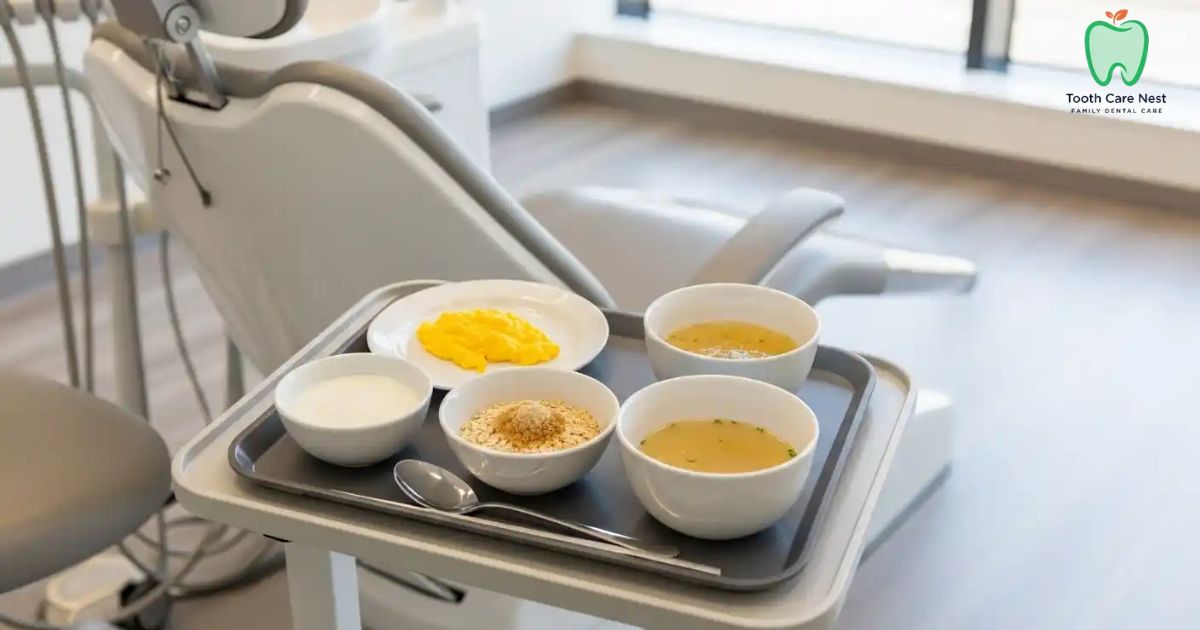
After a dental filling, choosing soft and easy-to-chew foods can make eating more comfortable, especially if the treated tooth feels sensitive. It is also helpful to avoid foods that require heavy chewing or could stick to the filling while your mouth adjusts.
Soft Foods for Easy Recovery
Soft foods such as scrambled eggs, yogurt, oatmeal, mashed potatoes, and soft pasta are generally easy to eat after a filling. These foods require less chewing and can reduce pressure on the treated tooth while any temporary sensitivity settles.
You should chew slowly and, if possible, use the side of your mouth that was not treated. Avoid very hard, crunchy, or sticky foods during the early period if your dentist has advised you to protect the new filling.
Lukewarm Soups and Broths
Lukewarm soups and broths can be comfortable choices because they are soft and require little chewing. Vegetable soup, chicken broth, or blended soups can provide a nourishing option when the tooth feels tender after treatment.
Make sure the soup is not extremely hot, particularly if your mouth is still numb from the anesthetic. Very hot foods can burn the lips, cheeks, or tongue without you realizing it because normal sensation may not have returned yet.
Soft Fruits and Smoothies
Soft fruits such as bananas, ripe pears, and melon can be easier to eat than firm or crunchy fruits. Cutting fruit into small pieces can also reduce the amount of chewing needed and make meals more comfortable.
Smoothies can be another convenient option, especially when made with soft fruits and yogurt or milk. Avoid adding hard ingredients such as ice, nuts, or seeds, and be mindful of very cold drinks if the filled tooth is sensitive.
Foods to Avoid After a Filling
After getting a dental filling, avoiding certain foods can help reduce pressure on the treated tooth and prevent unnecessary sensitivity. For the first few hours, choose softer foods and follow any specific eating instructions provided by your dentist.
Hard and Crunchy Foods
Hard foods such as ice, nuts, popcorn kernels, and hard candies can place significant pressure on a newly filled tooth. Avoiding these foods initially can reduce the chance of discomfort or damage to the restoration.
Sticky and Chewy Foods
Sticky foods such as caramel, taffy, and chewing gum can pull against a filling, particularly if the restoration is newly placed. It is better to avoid them until your dentist says it is safe to eat them normally.
Extremely Hot or Cold Foods and Drinks
Very hot or cold foods and drinks may trigger temporary sensitivity after a filling. Choosing foods and beverages closer to room temperature or lukewarm can make eating more comfortable while the tooth settles.
Sugary and Acidic Foods and Drinks
Sugary and acidic foods and drinks can contribute to tooth decay and may irritate a sensitive tooth. Limiting items such as soda, candy, and highly acidic juices can support better oral health after your filling.
Tips for Chewing After a Filling
Being careful when chewing can help you stay comfortable while your newly restored tooth adjusts. Eat slowly, pay attention to any sensitivity, and follow your dentist’s instructions about using the treated tooth.
Chew on the Opposite Side
Chewing on the opposite side of your mouth can reduce pressure on the newly filled tooth, especially during the first few hours. Once your dentist confirms that normal chewing is appropriate, you can gradually return to using both sides.
Take Small Bites
Taking small bites can make food easier to chew and reduce the force placed on your teeth. This is particularly helpful if the filled tooth feels tender or sensitive after treatment.
Avoid Using Your Teeth as Tools
Do not use your teeth to open packages, cut tape, crack shells, or hold objects. These habits can place excessive force on a filling and may cause the restoration or surrounding tooth to chip or break.
Caring for Your Teeth After a Filling
Continue brushing twice a day with fluoride toothpaste and clean between your teeth regularly to help prevent new cavities. Good oral hygiene around the filled tooth can help protect both the restoration and the surrounding teeth.
Recovery and Outlook
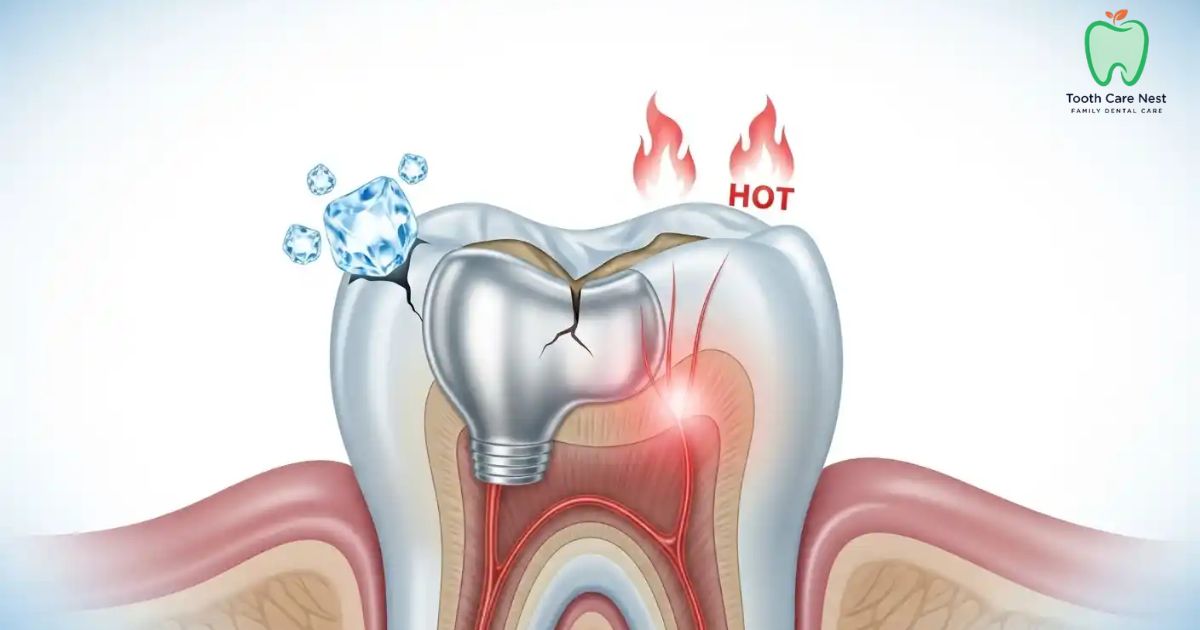
Mild sensitivity or tenderness after a filling is common and often improves as the tooth settles. If pain becomes severe, your bite feels uneven, or sensitivity continues instead of improving, contact your dentist for an evaluation.
Ready to Protect Your Smile in Goodyear, AZ
If you have concerns about a recent filling or need treatment for tooth decay, a dental professional in Goodyear, AZ can examine your teeth and recommend appropriate care. Regular dental visits can also help identify cavities before they become more extensive.
Conclusion
Eating carefully after a dental filling can help you stay comfortable and protect the restored tooth. Choose softer foods initially, avoid extreme temperatures and hard or sticky foods when necessary, and maintain good oral hygiene while following your dentist’s personalized instructions.
Frequently Asked Questions
Can I eat immediately after a filling?
You may be able to eat soon after a filling, depending on the type of filling used. However, it is best to wait until the numbness from the local anesthetic wears off before eating normally to avoid accidentally biting your cheek, tongue, or lips.
How long should I wait to eat hard or chewy foods?
It is generally better to avoid hard and sticky foods for the first few hours after a filling, especially if the tooth feels sensitive. Your dentist may recommend a longer waiting period depending on the filling material and the condition of the tooth.
What foods are safe to eat after a filling?
Soft foods such as yogurt, scrambled eggs, oatmeal, mashed potatoes, soft pasta, ripe bananas, and lukewarm soups are usually comfortable choices. Avoid very hot, cold, hard, or sticky foods if they cause sensitivity.
Why is my tooth sensitive after a filling?
Temporary sensitivity can occur because the tooth has been treated and may need time to settle. Sensitivity to cold, heat, sweetness, or biting pressure can occur for a short period, but persistent or worsening discomfort should be discussed with your dentist.
When should I contact my dentist after a filling?
Contact your dentist if you experience severe or increasing pain, prolonged sensitivity, swelling, difficulty biting normally, or other symptoms that do not improve. Your dentist can check whether the filling or tooth needs additional treatment.

Stoke is the author of ToothCareNest, sharing simple, practical, and easy-to-understand information about dental care, oral hygiene, and maintaining a healthy smile.