

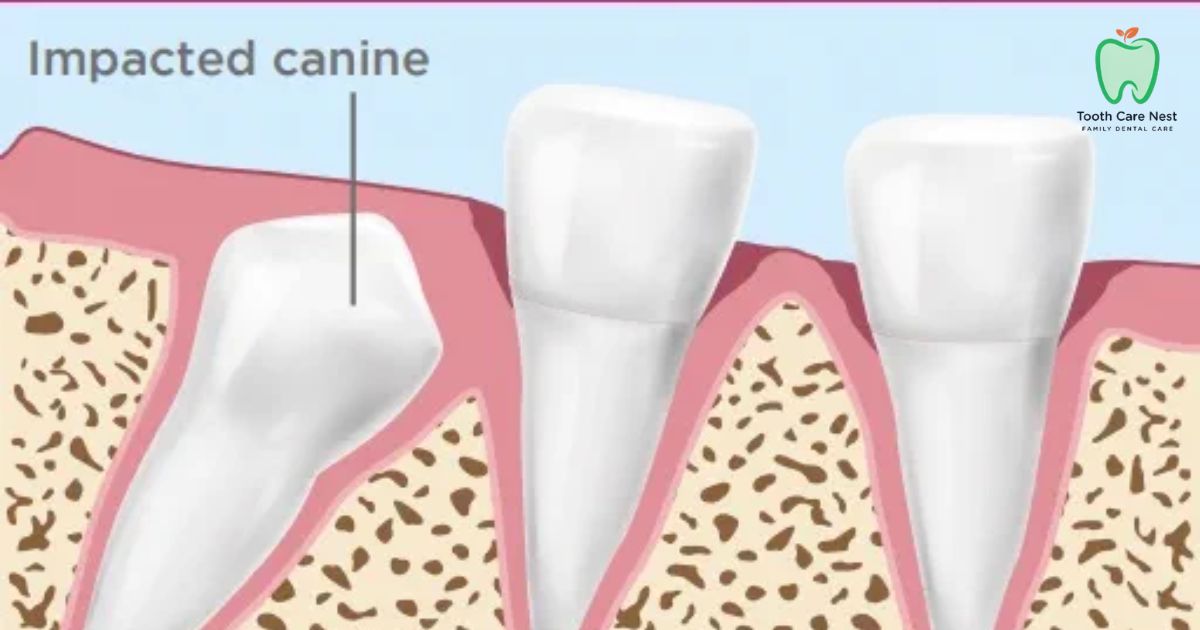
An impacted canine is a tooth that remains trapped beneath the gum or within the jaw instead of developing into its normal position. Dental exposure and bonding can be used to help guide an impacted canine into the dental arch. This treatment is often planned after a detailed examination and imaging to determine the tooth’s location and the best approach for treatment.
During the procedure, the oral surgeon carefully exposes the impacted canine and attaches a small orthodontic attachment to the tooth. An orthodontist can then gradually apply gentle pressure to guide the canine into its proper position. Treatment time varies depending on the tooth’s location, development, and individual response to orthodontic movement.
Trending Today ; Bone Graft Techniques & Materials
Key Benefits of Exposure & Bonding
Preservation of Natural Teeth
Exposure and bonding can help bring an impacted canine into the dental arch instead of removing a tooth that may be valuable for long-term oral health. Preserving the natural canine can also support a more complete and functional smile.
Improved Facial Aesthetics
Canines play an important role in the appearance of the smile and overall dental alignment. Guiding an impacted canine into position can contribute to a more balanced and natural-looking result.
Enhanced Oral Function
Properly positioned canines help with biting, tearing food, and maintaining effective contact between the upper and lower teeth. Bringing the tooth into alignment may improve overall dental function.
Prevention of Complications
An impacted canine can sometimes contribute to crowding, damage to neighboring teeth, or other dental concerns. Treating the tooth may help reduce the risk of complications associated with leaving it untreated.
Coordinated Care Approach
Exposure and bonding commonly involves cooperation between an oral surgeon and orthodontist. This coordinated approach allows the surgical exposure and orthodontic movement to be planned as part of one treatment strategy.
Minimal Visible Scarring
The procedure is performed inside the mouth, so there is generally no visible external scar from the surgical exposure. The exact approach depends on the tooth’s location and position.
Long-lasting Results
Once the canine has been successfully guided into its intended position and the surrounding tissues have healed, it can function as part of the natural dentition. Good oral hygiene and regular dental care can help maintain the results over time.
Frequently Asked Questions: Impacted Canine Exposure
What Can I Expect During an Exposure & Bonding Consultation?
During your consultation, the oral surgeon will review your dental history and examine the position of the impacted canine. Dental imaging may be used to determine where the tooth is located and whether it is affecting nearby teeth.
The surgeon may also discuss your symptoms, previous orthodontic treatment, and any concerns you have about the procedure. This information helps the treatment team understand your individual needs and determine whether exposure and bonding is an appropriate option.
If orthodontic treatment is part of the plan, your oral surgeon and orthodontist may coordinate the timing of the procedure. You will have an opportunity to ask questions about anesthesia, treatment steps, expected healing, and the process of guiding the canine into position.
How Is Exposure & Bonding Performed?
Exposure and bonding is typically performed by making a small opening in the gum to access the impacted canine. Once the tooth is located, the surgeon carefully exposes enough of its surface to attach a small orthodontic bracket or similar device.
After the attachment is secured, a gentle orthodontic force can be used to gradually guide the canine toward its intended position. The specific technique depends on the tooth’s location, angle, and relationship with surrounding structures.
How Is the Recovery After Exposure & Bonding?
Some tenderness, swelling, or minor bleeding can occur after the procedure. These effects are generally temporary, and your surgical team will provide specific instructions for caring for the treatment area during the initial healing period.
Keeping the area clean and following recommended eating and oral hygiene instructions can support healing. You may also be advised to avoid disturbing the surgical site while the gum tissue recovers.
Follow-up visits are important because the orthodontic team needs to monitor the movement of the canine over time. The overall treatment period can vary considerably depending on the tooth’s position and how it responds to orthodontic forces.
Stoke is the author of ToothCareNest, sharing simple, practical, and easy-to-understand information about dental care, oral hygiene, and maintaining a healthy smile.