

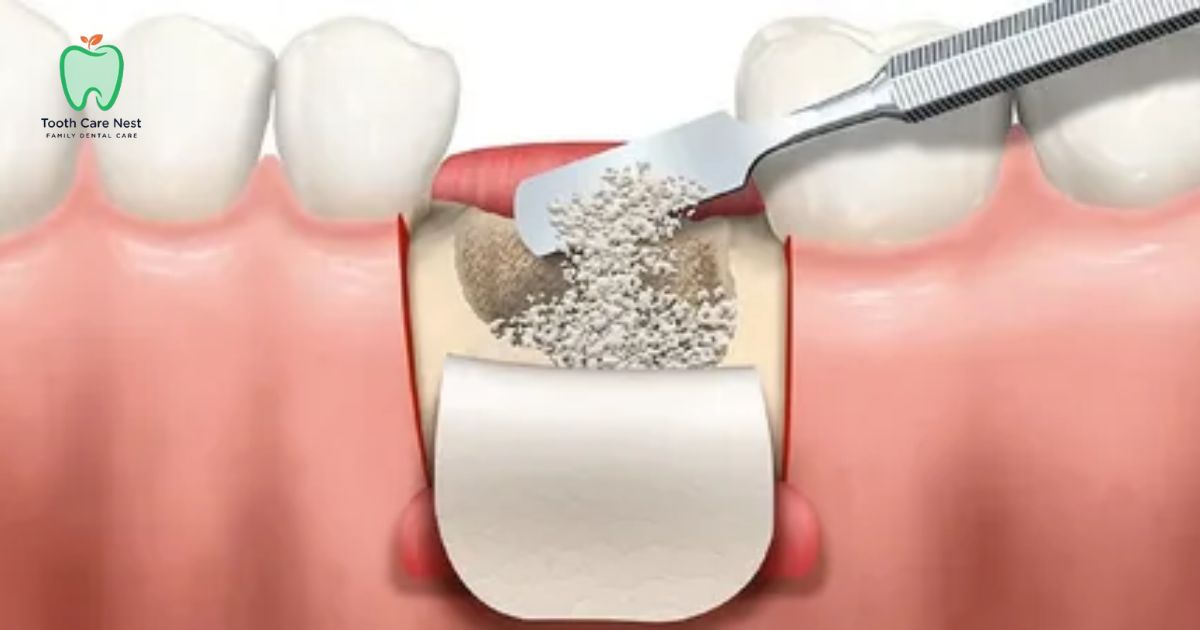
Bone grafting can help rebuild areas of the jaw where bone has been lost or is too thin to support certain dental treatments. Patients in Somerville and Lebanon, NJ, may be candidates for different grafting approaches depending on the location of bone loss, the condition of the jaw, and their planned dental treatment.
Bone graft materials can come from several sources, and the appropriate option is selected based on each patient’s individual needs. During your consultation, your oral surgeon can evaluate your jawbone, discuss available techniques and materials, and explain what to expect throughout the grafting and healing process.
Trending Today ; Wisdom Teeth Removal Central Jersey
Understanding Major Bone Grafting
Major bone grafting is a surgical technique used to rebuild significant areas of missing or weakened jawbone. It may be recommended when substantial bone loss has occurred because of tooth loss, trauma, infection, or other oral conditions. Restoring the bone can provide a stronger foundation for future dental treatment.
The procedure is carefully planned after an examination and appropriate imaging. Depending on the amount and location of bone needed, an oral surgeon may use a grafting material selected for the patient’s specific situation. The graft is positioned in the affected area and allowed time to integrate with the existing bone.
Healing time varies based on the size of the graft, the patient’s overall circumstances, and the type of procedure performed. Following post-operative instructions and attending scheduled follow-up appointments can help support proper healing and allow the surgical team to monitor the progress of bone development.
Types of Grafting Material
Autogenous Bone Grafts:
Autogenous bone grafts, also called autografts, use bone taken from another area of the patient’s own body. Because the material comes from the same person receiving the graft, it can provide a natural source for rebuilding lost jawbone. Depending on the treatment plan, bone may be collected from a nearby area of the jaw or another appropriate location. Autogenous grafting may be considered when a larger amount of bone regeneration is needed, although it requires an additional surgical site.
Allogenic Bone Grafts (Allografts):
Allogenic grafts use donated human bone obtained through regulated tissue banks. The material is carefully processed and prepared for use in dental and oral surgical procedures. Since the graft does not need to be harvested from the patient’s own body, there is no second surgical site required for collecting bone. Allografts can be useful for rebuilding areas with bone loss and may be selected based on the size and location of the treatment area.
Xenogenic Bone Grafts (Xenografts):
Xenogenic grafts, or xenografts, are derived from a source other than humans, commonly specially processed animal bone. The material is treated to make it suitable for use as a bone grafting material. Xenografts can provide a framework that supports the body’s natural bone-forming process as healing occurs. They are often considered when additional bone volume is needed without harvesting bone from the patient.
The most appropriate grafting material depends on factors such as the amount of bone loss, the treatment location, and the patient’s individual needs. Your oral surgeon can evaluate these factors and explain which option is most suitable for your planned procedure.

Stoke is the author of ToothCareNest, sharing simple, practical, and easy-to-understand information about dental care, oral hygiene, and maintaining a healthy smile.